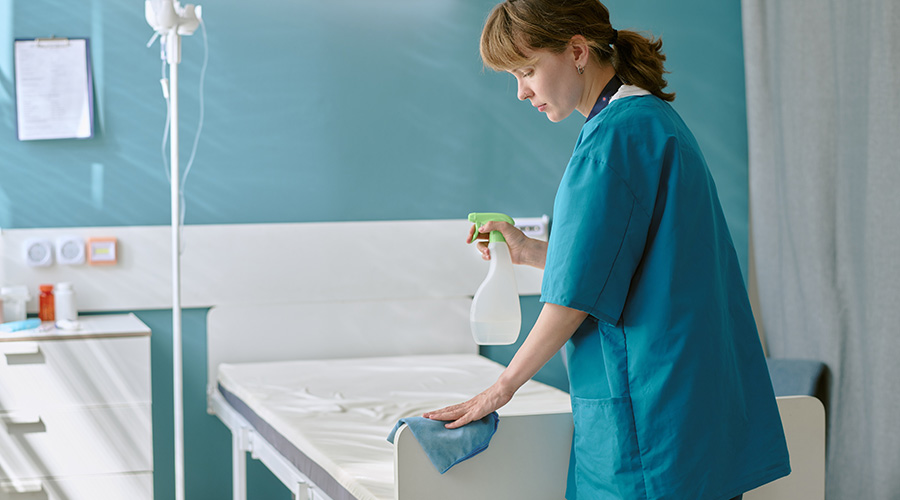
Frequently touched surfaces can collect infectious pathogens transmitted by the hands of healthcare workers, according to an article on the Infection Control Today website.
The Healthcare Infection Control Practices Advisory Committee and the Centers for Disease Control and Prevention recommended that high-touch surfaces such as doorknobs, bed rails, light switches and surfaces in and around toilets in patients’ rooms should be cleaned and disinfected more frequently than other surfaces.
So far, no one has assessed the frequency of healthcare worker contact with different room surfaces. Similarly, the types of pathogens found on different room surfaces and their microbial load have also not been evaluated.
However, studies have linked contaminated surfaces in patient rooms to patient-to-patient transmission of several pathogens and found that patients admitted to rooms previously occupied by infected individuals are at significantly higher risk of infection themselves.
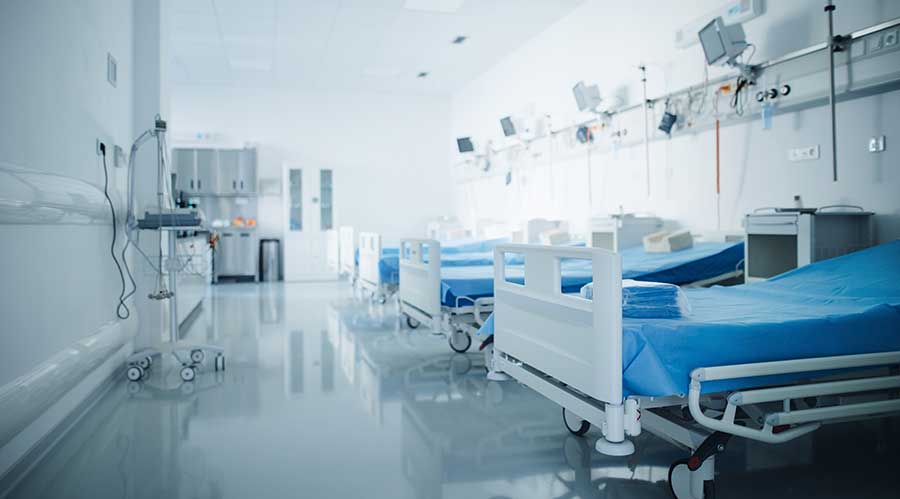 Harris Health to Build New Freestanding Cancer Center
 Inland Empire Health Plan Opens Expanded San Bernardino Community Wellness Center
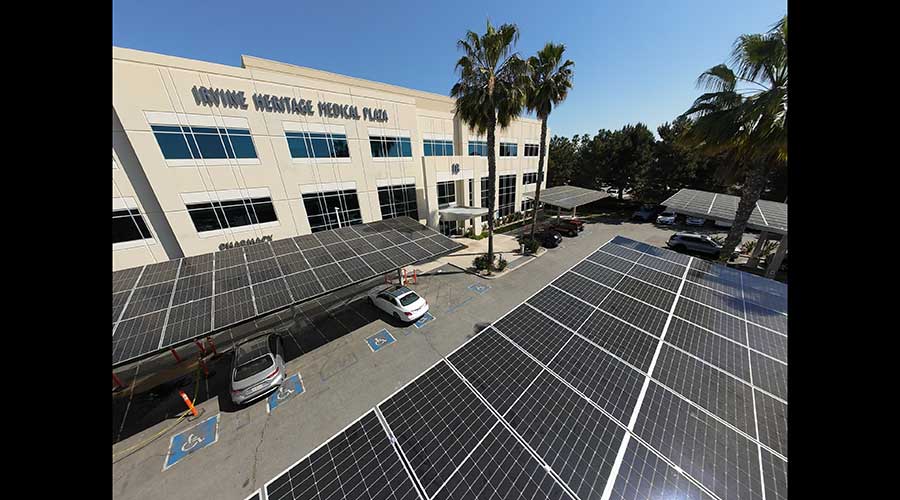 Rethinking Parking Lot Design at Irvine Heritage Medical Plaza
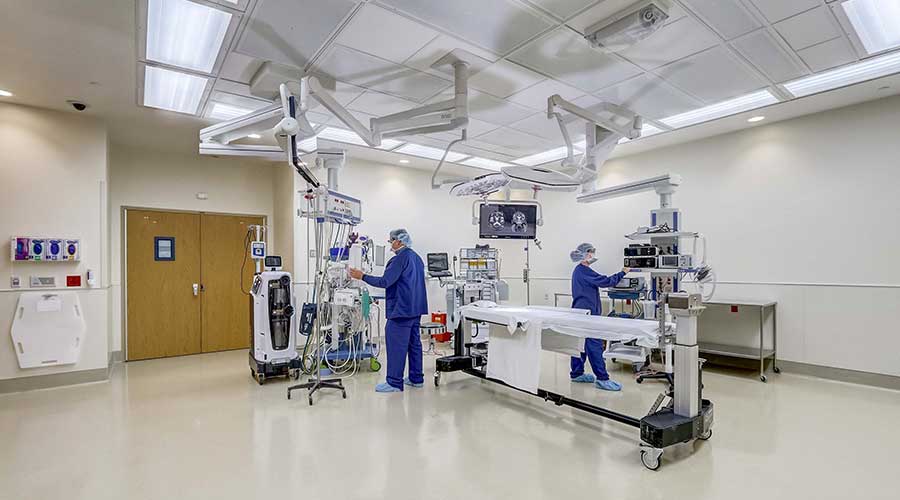 Repurposing Healthcare Spaces: 5 Critical Questions
 Disinfectant Contact Time: The Case for Biofilm Disruption