
|
AAMI has released emergency guidance documents to enable the rapid development of safe and effective emergency-use ventilators and resuscitators, which are essential to treating patients with COVID-19 respiratory failure. Published as the first four AAMI Consensus Reports (CRs), this emergency guidance was developed by the AAMI COVID-19 Response Team, consisting of manufacturers, clinicians, and Food and Drug Administration representatives. “These CRs are an especially valuable roadmap for companies new to the health technology space who are stepping up to build emergency-use ventilators and resuscitators. While they have talented engineers, many do not have the foundational knowledge in this area, particularly when it comes to patient safety,” said Julian M. Goldman, MD, cochair of the AAMI COVID-19 Response Team, anesthesiologist and director of the Program on Medical Device Interoperability and Cybersecurity at Massachusetts General Hospital, and medical director of biomedical engineering for Partners HealthCare System. In addition to design and safety guidance, the CRs help manufacturers save valuable time by pointing them to the standards documents and clauses that are most relevant to them. “Once you show them that there are standards that exist, that can really help them rapidly understand what should be considered for safety, it makes the engineers' lives much easier and speeds product development. They don't have to ask for the same information over and over again—for example, what level of pressure is acceptable? What range of tidal volumes are typical? What kind of flow is typical? What are the things you worry about for safe and effective clinical use? Those are the questions that should be asked repeatedly, and the CRs contain that information,” Goldman said. AAMI CRs provide concise, prompt, and practical guidance to respond to an urgent/immediate need for the health technology community. The following documents are available for free download at www.aami.org/COVID_CR.
As these documents will continue to evolve, check back frequently for the latest updates. For the latest COVID-19 developments and news from AAMI, visit www.aami.org/Coronavirus. If you need guidance around standards, FDA’s Emergency Use Authorization (EUA) process, or other quality assurance and regulatory affairs issues, AAMI would be happy to connect you with AAMI faculty who can provide assistance. For more information, contact Bradley Schoener at bschoener@aami.org. |
April 17, 2020
Topic Area: Press Release
Recent Posts
 Elevating EVS Professionals: The Case for Certified Hygiene Specialists
Workers cleaning patient rooms are not simply improving appearance. They are reducing bioburden and protecting human health.
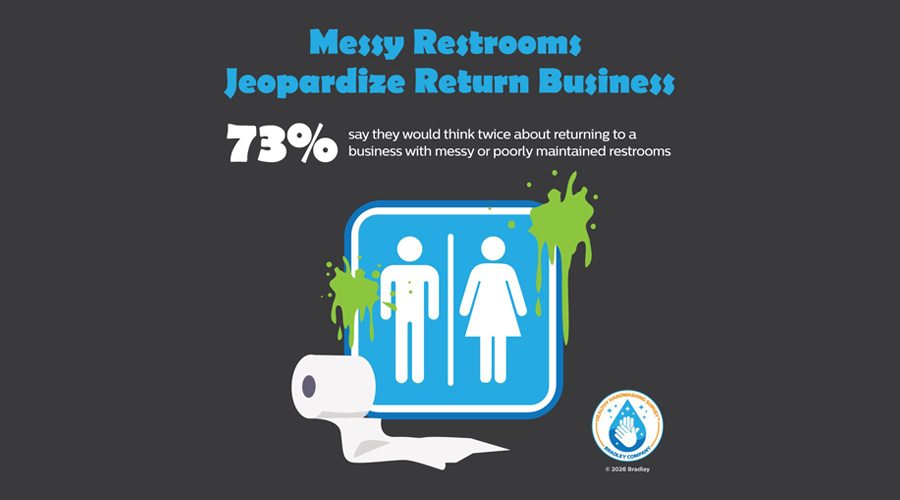 Global Handwashing Day and the Importance of Well-Maintained Restrooms
A recent handwashing survey found that Americans value clean restrooms and touchless fixtures.
 Duke Health and CaroMont Health Partner to Develop Two New Hospitals
CaroMont Health and Duke Health anticipate a decision by the end of March 2027.
 Designing for the Psychology of Waiting
A well-designed waiting room does more than fill time — it eases the patient experience and creates a more functional healthcare environment.
 UT Health Sciences Breaks Ground on College of Medicine Interdisciplinary Building
Construction is expected to be substantially completed in 2029, with full occupancy by 2030.