
The Ambulance Employees Association says persistent ramping — the length of time that ambulances wait outside a hospital when the emergency department is unable to accept patients — at the Royal Adelaide Hospital in Australia could have fatal consequences, according to an article on the News 7 website.
"Ambulances are being used, if you like, as pseudo hospital wards and while they are doing that they can't go attend to the community," association state secretary, Phil Palmer, said in the article.
Palmer said there were a number of ways to improve the issue of overcrowding such as hospitals improving their discharge policy, improving patient flow through the hospitals and improving capacity in the whole health system.
Health Minister Jack Snelling admitted the government needed to do more to reduce the number of mental health patients being treated in hospital emergency departments.
"What is quite clear is that mental health patients have a longer stay in our emergency departments than other patients who are needing to be admitted into an acute bed — and, to put it frankly, that's not good enough to me. We need to do a lot more work in mental health," he said.
 Elevating EVS Professionals: The Case for Certified Hygiene Specialists
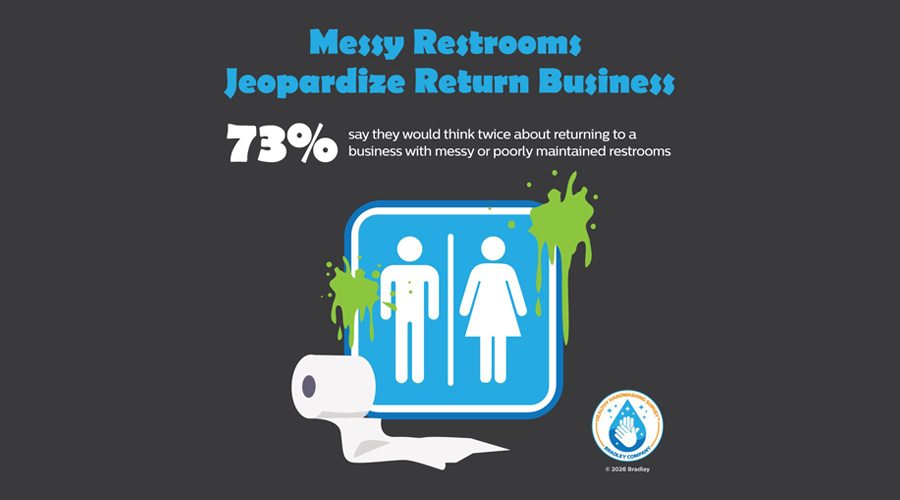 Global Handwashing Day and the Importance of Well-Maintained Restrooms
 Duke Health and CaroMont Health Partner to Develop Two New Hospitals
 Designing for the Psychology of Waiting
 UT Health Sciences Breaks Ground on College of Medicine Interdisciplinary Building