
The Centers for Disease Control and Prevention (CDC) and U.S. Environmental Protection Agency (EPA) have developed a recommended approach to help bridge the gap between disinfectant efficacy claims for common healthcare-associated pathogens and emerging pathogens, according to an article on the Becker's Infection Control and Clinical Quality website.
The guidelines were created to help healthcare professionals choose appropriate manual disinfectants for use against emerging pathogens when no disinfectants with EPA-registered claims are available.
The CDC and EPA approach can be extended to provide guidance for the use of supplemental UV devices in an environmental protection strategy against emerging pathogens, the article said.
When an emerging pathogen poses a public health risk (such as Ebola), the CDC and EPA guidance is intended to bridge the gap by identifying disinfectant products that may be used while effective test protocols are being developed.
 The Role of Biophilic Design in Healthcare Facilities
 TriStar Centennial Medical Center Invests $90M in Women, Children's Hospital Expansions
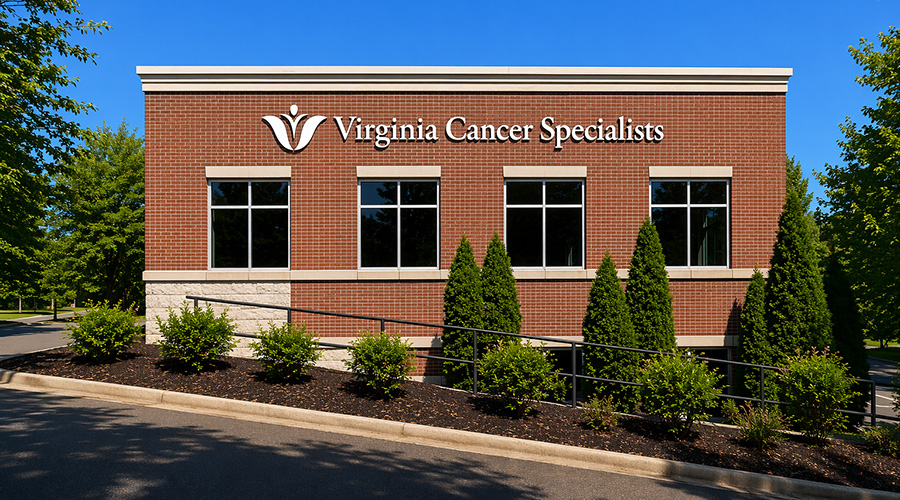 Virginia Cancer Specialists to Open Newly Expanded Fauquier Location
 Emergency Preparedness: Building a Stronger Community
 Ground Broken on Lavine Bekenstein Cancer Hospital in Massachusetts