
The Centers for Disease Control and Prevention website is offering interim guidance on Zika virus exposure for healthcare personnel.
While there have been no reports of transmission of Zika virus from infected patients to healthcare personnel or to other patients in healthcare settings, transmission related to occupational exposure to Zika virus has occurred in laboratory workers.
Healthcare personnel are urged adhere to the standard precautions for patient care activities described in the 2007 Guideline for Isolation Precautions: Preventing Transmission of Infectious Agents in Healthcare Settings.
Employers must comply with the Occupational Safety and Health Administration’s Bloodborne Pathogens standard or similar OSHA State Plan standards, whenever employees have occupational exposure to blood, body fluids or other potentially infectious materials, the article said.
 Emergency Preparedness: Building a Stronger Community
 Ground Broken on Lavine Bekenstein Cancer Hospital in Massachusetts
 Camden-on-Gauley Medical Center Reports Data Security Incident
 Elevating EVS Professionals: The Case for Certified Hygiene Specialists
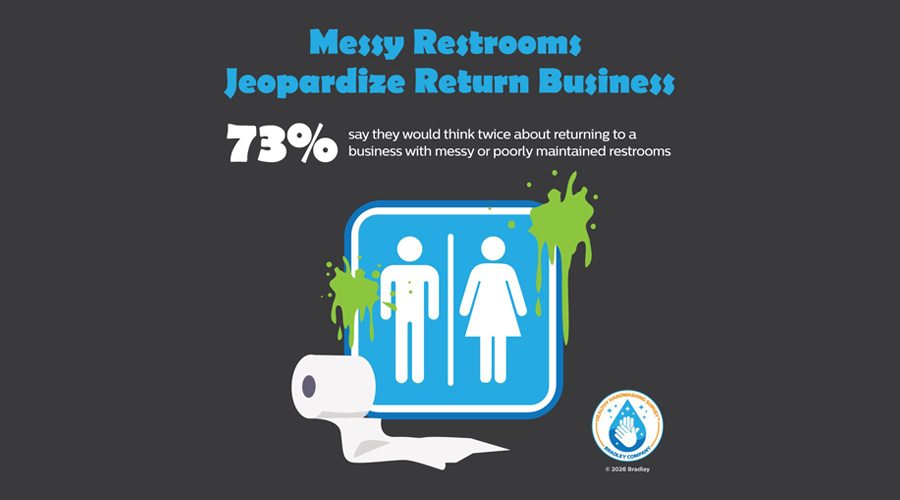 Global Handwashing Day and the Importance of Well-Maintained Restrooms