A survey conducted by Mortensen Construction suggests that the emphasis in healthcare building is beginning to shift toward greater facility flexibility, ease of design and overall efficiency, according to an article on the FacilityCare website.
In the fall of 2013, Mortensen Construction surveyed healthcare providers, administrators, facilities leaders and architects on the Affordable Care Act (ACA) and their predictions for the new healthcare climate.
"As the healthcare industry moves aggressively forward to adapt to its rapidly changing landscapes, healthcare providers are realizing that their facilities must change as well. In fact, 95 percent of healthcare providers surveyed believed that specialized facilities, such as MRI centers, cancer centers and urgent care centers, will grow in prominence in the next five years, with senior centers and micro-hospitals gaining in importance as well," the article said.
According to the article, facility managers must be alert to the trends the ACA is bringing. New types of spaces and new philosophies toward facilities will require collaboration and innovation.
Read the article.
 Harris Health to Build New Freestanding Cancer Center
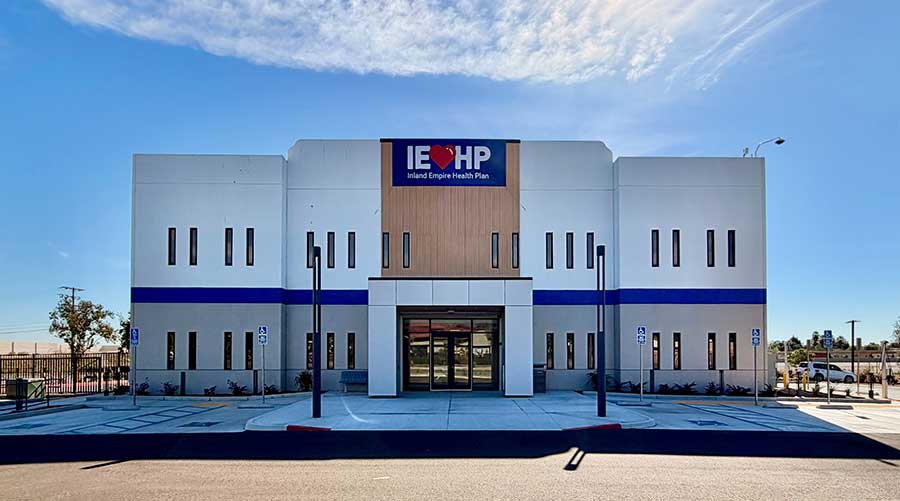 Inland Empire Health Plan Opens Expanded San Bernardino Community Wellness Center
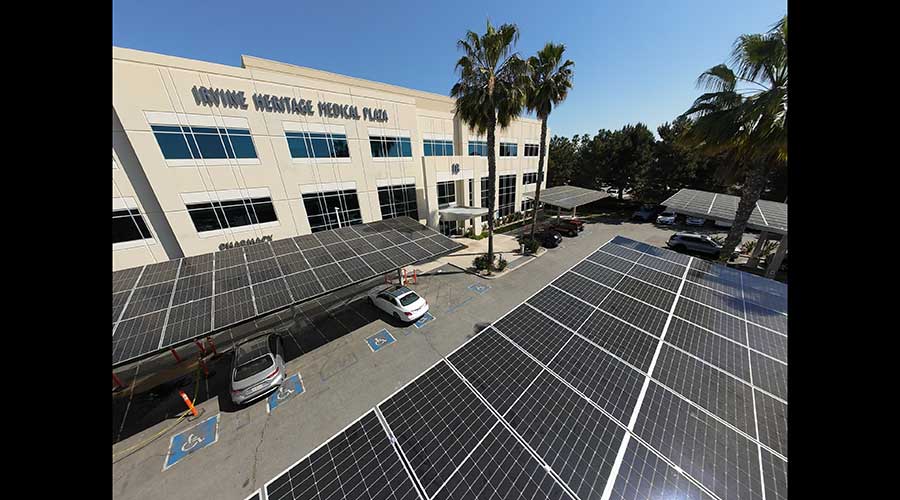 Rethinking Parking Lot Design at Irvine Heritage Medical Plaza
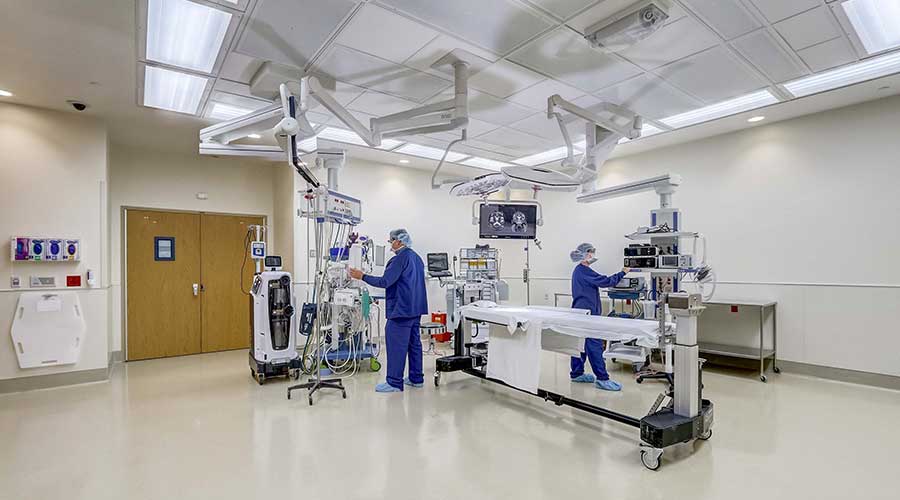 Repurposing Healthcare Spaces: 5 Critical Questions
 Disinfectant Contact Time: The Case for Biofilm Disruption