
In the event that a deadly pathogen — such as Ebola — should strike the Chattanooga region, there's a network of healthcare professionals trained to handle the situation, according to an article on the Times Free Press website.
Following the 2014 Ebola outbreak in West Africa, the U.S. government sought to strengthen the nation's ability to respond. Every hospital in Tennessee became a "front-line" facility, and six hospitals around the state were chosen as assessment facilities.
Today, staying abreast of what's happening in the world to know what could potentially come into the hospital is also key, said Silvia McCray, a team member and infection preventionist at the Erlanger Medical Group. Pandemic influenza is another virus she considers.
"We see our routine influenza every winter, but we're always looking out," McCray said. "For example, if you had 10 people come into the ER with a high fever and respiratory symptoms and something's going on, we may need to dig deeper and see if this is a new, novel influenza because there's always that possibility."
 Emergency Preparedness: Building a Stronger Community
 Ground Broken on Lavine Bekenstein Cancer Hospital in Massachusetts
 Camden-on-Gauley Medical Center Reports Data Security Incident
 Elevating EVS Professionals: The Case for Certified Hygiene Specialists
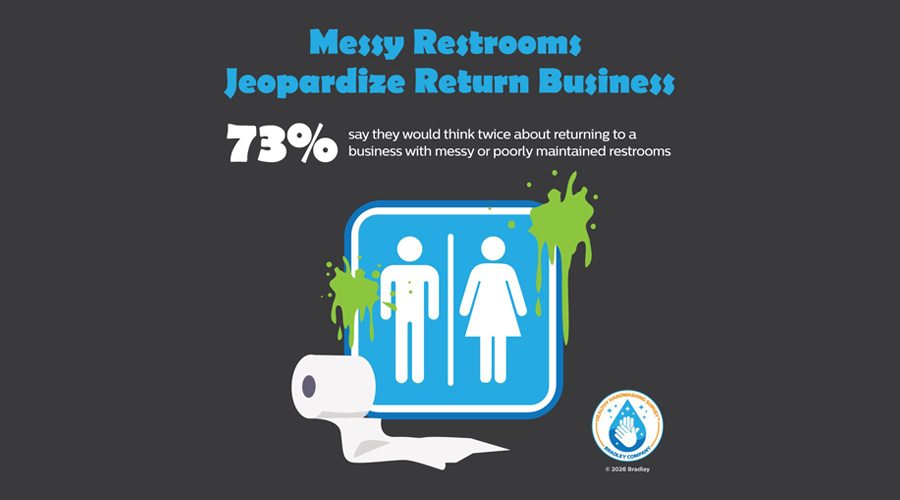 Global Handwashing Day and the Importance of Well-Maintained Restrooms