
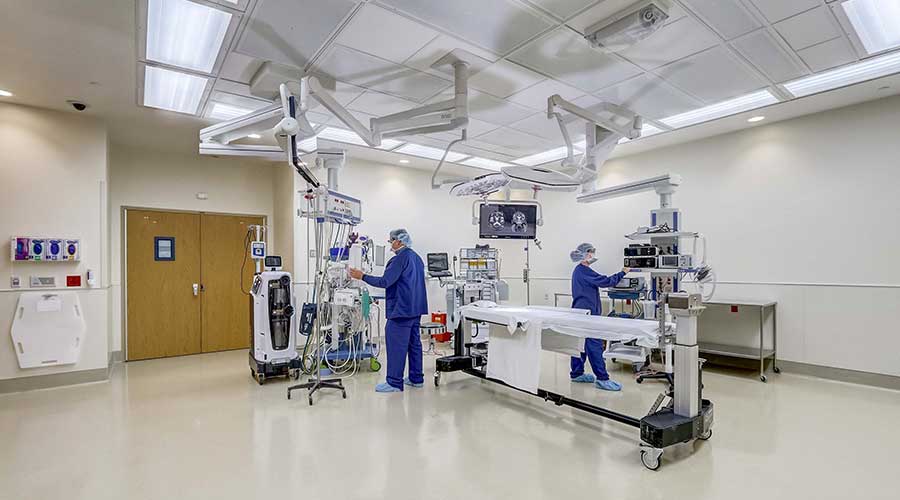
A team of Clemson researchers, led by architecture professor Anjali Joseph, has received a research grant from the Agency for Healthcare Research and Quality (AHRQ) to create a learning lab focusing on the design of a safer, more ergonomic hospital operating room, according to an article on the Clemson University website.
Many hospital operating rooms are antiquated, cramped spaces that do not accommodate today’s high-tech surgical equipment, complex processes and human interactions, the article said.
“Our team of collaborators will design, develop and test various design and systems solutions and will implement these new ideas in surgical environments at MUSC,” Joseph said. “We will have the opportunity to test innovative new operating room designs in a live clinical setting. That’s an extraordinary opportunity.”
The group will look for ways to improve operating rooms — including pediatric operating rooms — by making them safer, not just bigger. They will search for solutions to help prevent post-operative infections, reduce mistakes and avoid workplace injuries to the medical team.
 Harris Health to Build New Freestanding Cancer Center
 Inland Empire Health Plan Opens Expanded San Bernardino Community Wellness Center
 Rethinking Parking Lot Design at Irvine Heritage Medical Plaza
 Repurposing Healthcare Spaces: 5 Critical Questions
 Disinfectant Contact Time: The Case for Biofilm Disruption