
Quaternary ammonium chloride (QAC) compounds are the most common active ingredient found in disinfectants used in healthcare environments. The QAC market has evolved since its inception more than 100 years ago and there are still several misconceptions that persist, according to an article on the FacilityCare website.
A common misconception is that QAC-based products are ineffective against targeted organisms. In some published studies, most of the QACs were not tested in conjunction with any of their synergistic partners.
Also, QACs do not necessarily lose effectiveness when mixed with organic matter, such as blood and hard water. Advances in science allow for surfactant agents and modifiers to be introduced into the formulation as inert to provide for improved effectiveness.
Another important misconception is that continuous use of QAC-based products results in the development of antimicrobial resistance. Recent publications have proven this to be untrue.
 Elevating EVS Professionals: The Case for Certified Hygiene Specialists
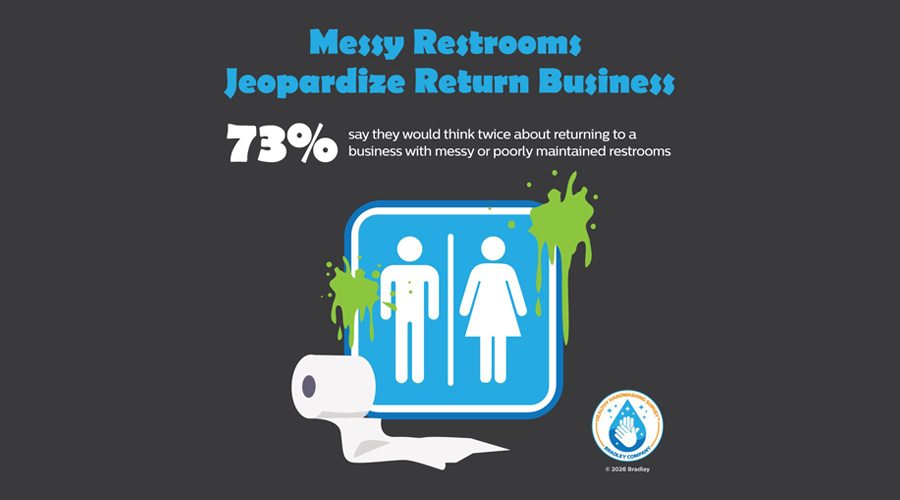 Global Handwashing Day and the Importance of Well-Maintained Restrooms
 Duke Health and CaroMont Health Partner to Develop Two New Hospitals
 Designing for the Psychology of Waiting
 UT Health Sciences Breaks Ground on College of Medicine Interdisciplinary Building