How did 2020 affect healthcare construction? The COVID-19 pandemic rewrote the rules for nearly every aspect of healthcare facilities, and design and construction were no different.
A new report, “The State of Healthcare Construction,” combines healthcare construction trends, challenges and insights from industry experts, according to Medical Construction & Design. Three main trends comprise the majority of the report: infrastructure upgrades, offsite construction and prefabrication and changes in project delivery.
U.S. healthcare systems spend $8.8 billion annually on energy and, as budgets tightened in 2020, more conversations surrounding energy savings emerged. Although the evolution of technology and campus expansion have been driving forces behind infrastructure improvements, healthcare systems have also taken a more active role in uncovering ways to improve energy performance, according to the report.
However, with expansions and infrastructure improvements on the rise, the workforce continues to decline. This reality is forcing construction teams to amplify their creativity, and many are finding their stride in offsite construction and prefabrication.
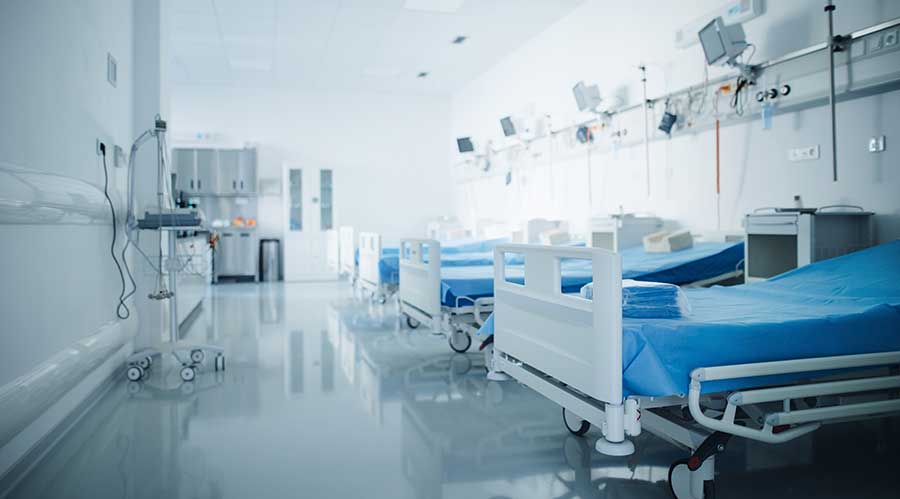 Harris Health to Build New Freestanding Cancer Center
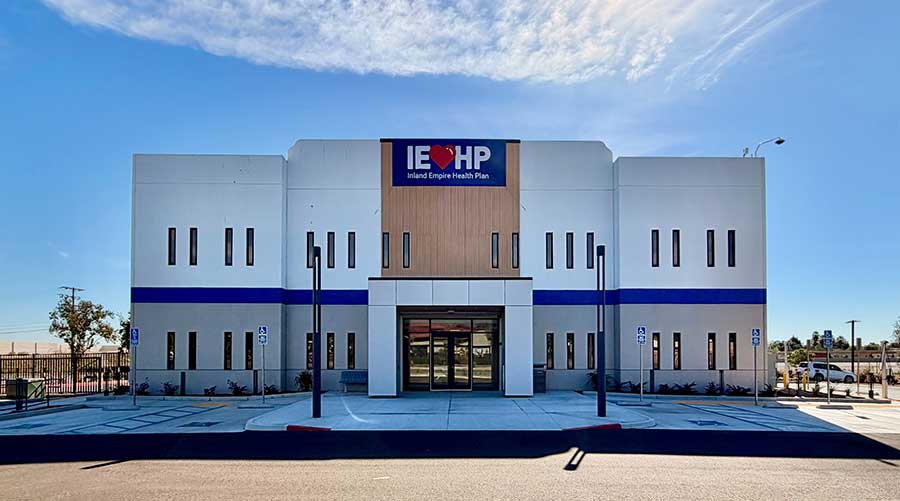 Inland Empire Health Plan Opens Expanded San Bernardino Community Wellness Center
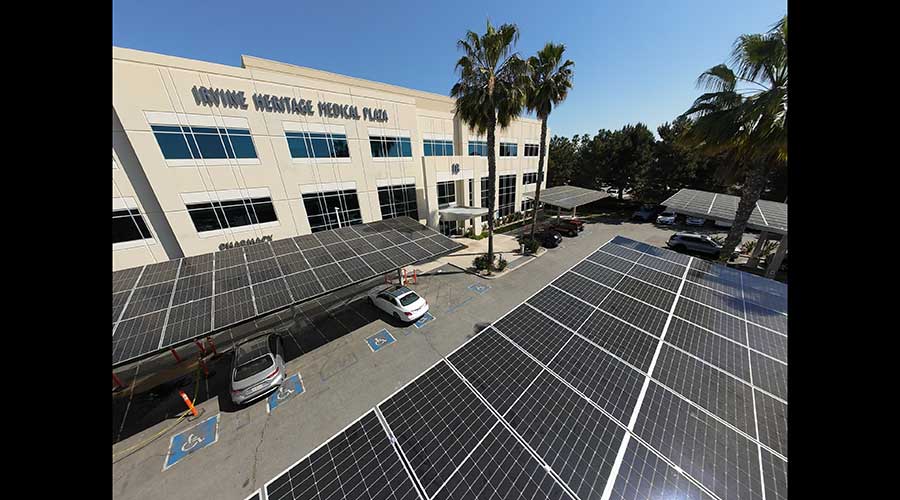 Rethinking Parking Lot Design at Irvine Heritage Medical Plaza
 Repurposing Healthcare Spaces: 5 Critical Questions
 Disinfectant Contact Time: The Case for Biofilm Disruption