
Critical power management systems (CPMS) will enhance power reliability in healthcare facilities, according to a blog on the FacilityCare website.
A CPMS monitors and controls, among other things, emergency generator sets, circuit breakers and other emergency power system equipment.
According to the article, a CPMS facilitates on-site power system testing; load management; and load bus optimization, reporting and diagnostics. The system also monitors normal and emergency voltages and frequency; indicates transfer switch position, current, power and power factor; and displays transfer switch event logs, settings, ratings and identification.
A CPMS also helps management comply with National Fire Protection Association (NFPA) requirements as well as The Joint Commission, Medicaid and NEC 220.87 reporting mandates.
A single power interruption can cripple an institution, wrote Bhavesh Patel in the blog. A Lawrence Berkeley National Laboratory 2005 study estimated the cost of power interruptions at $57 billion annually for the 15 million U.S. commercial customers.
 Elevating EVS Professionals: The Case for Certified Hygiene Specialists
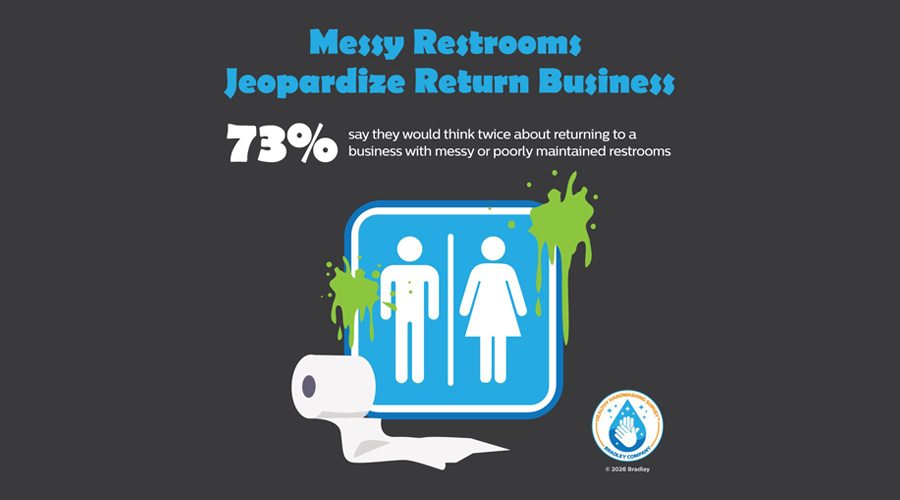 Global Handwashing Day and the Importance of Well-Maintained Restrooms
 Duke Health and CaroMont Health Partner to Develop Two New Hospitals
 Designing for the Psychology of Waiting
 UT Health Sciences Breaks Ground on College of Medicine Interdisciplinary Building