
Healthcare organizations firmly embraced a host of technologies in recent years and especially during the COVID-19 pandemic. This is especially true of telehealth, which along with email, is among the biggest areas of risk for cyber attacks. Unfortunately, new data reveals that organizations might not be devoting enough resources to cybersecurity.
Cybersecurity budgets in healthcare are expected to continue to fall short of actual needs in the next year, according to a new survey by Healthcare Information and Management Systems Society (HIMSS) Market Intelligence reported by HealthLeaders.
Three out of four respondents said changes due to the COVID-19 pandemic have resulted in a larger or more complex computing edge, akin to the cybersecurity concept of attack surfaces.
On average, these decision-makers believe they need to be spending 24 percent more on cybersecurity in the next two to three years than they currently do.
Of those surveyed, 73 percent say their organization needs to increase funding to continue to be secure, effective, and compliant, but only 40 percent expect their organizations will be able to make the necessary financial investment in cybersecurity.
 Elevating EVS Professionals: The Case for Certified Hygiene Specialists
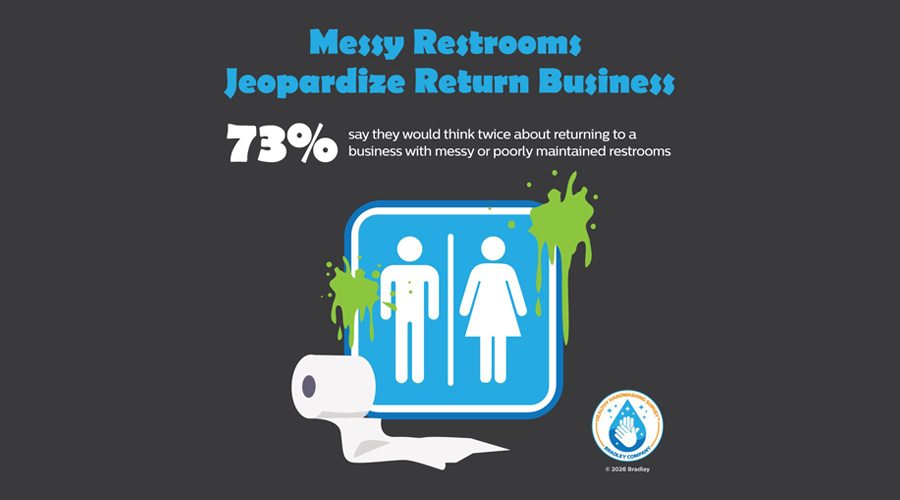 Global Handwashing Day and the Importance of Well-Maintained Restrooms
 Duke Health and CaroMont Health Partner to Develop Two New Hospitals
 Designing for the Psychology of Waiting
 UT Health Sciences Breaks Ground on College of Medicine Interdisciplinary Building