
One of the trickiest challenges healthcare security managers face is cyber-protecting medical devices. Unprotected medical devices lead to more occurrences of data breaches and increase the risk to patient safety.
Now, a consortium of digital identity players is tackling cybersecurity for medical devices by crafting a set of industry standards and guidance to ensure manufacturers build trusted, secure and interoperable products, according to MSSP Alert.
SAFE Identity, a Reston, Va.-based association that serves as a third-party certification body, said it has established a special Internet of Medical Things (IoMT) working group to standardize requirements for certification based on industry best practices for device identity and assurance. Research found that more than 80 percent of healthcare organizations had been victimized by an IoT-type cyberattack. SAFE figures that establishing a recognizable cybersecurity certification badge specific to the medical industry will affirm to hospitals, radiology centers, medical labs and others purchasing devices that a manufacturer has baked into its products a standards-based security credential.
 Elevating EVS Professionals: The Case for Certified Hygiene Specialists
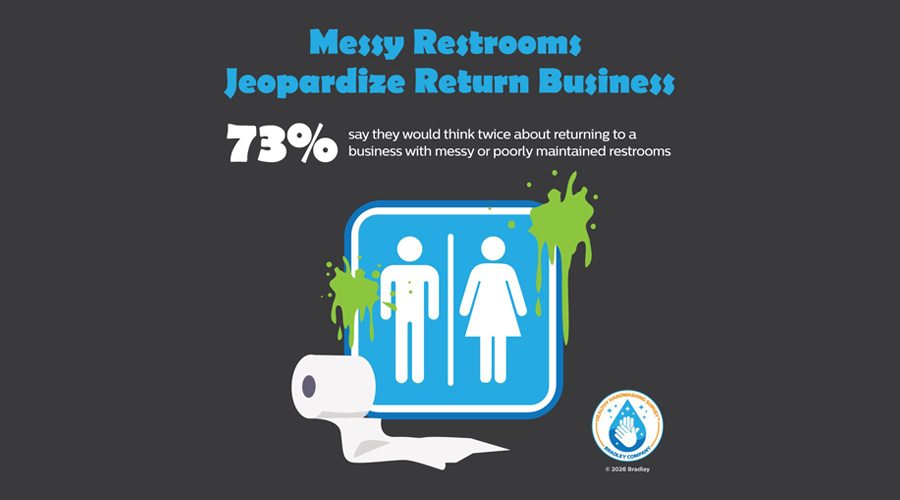 Global Handwashing Day and the Importance of Well-Maintained Restrooms
 Duke Health and CaroMont Health Partner to Develop Two New Hospitals
 Designing for the Psychology of Waiting
 UT Health Sciences Breaks Ground on College of Medicine Interdisciplinary Building