
Cybersecurity training, consistent patching and compliance with federal privacy regulations can help hospitals prevent a ransomware attack, according to an article on the Fierce Healthcare website.
But tradeoffs with data accessibility and portability make it almost impossible fully protect against attacks, according to experts.
Fail-safe solutions don't exist and national cybersecurity contingency plans still lag behind, researchers from Harvard University, Case Western Reserve University and Brown University in the Annals of Internal Medicine said.
“There are things we can do to reduce the risk but it is very hard to perfect IT security, especially given the needs of modern hospital systems to have things moving between places and increasing demand for patient-facing access,” I. Glenn Cohen, professor of law at Harvard University, said.
 Extreme Weather: The Maintenance-Resilience Link
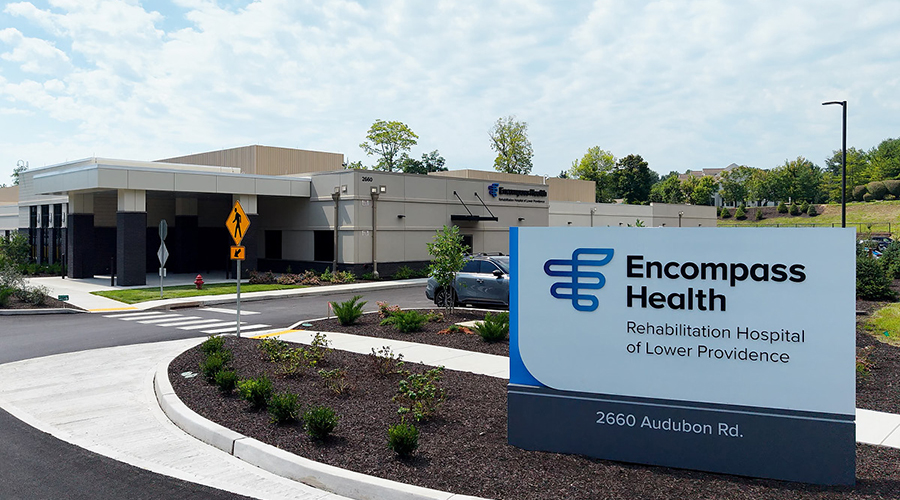 Encompass Health Lower Providence Opens in Pennsylvania
 Intermountain Health Acquires Fairbourne Building for Healthcare Hub and Medical Campus Conversion
 Cooling Towers at NYC Health + Hospitals/Lincoln Test Positive for Legionella
 Prefabricated Wall Panels Accelerate UCF Lake Nona Medical Center Construction