
At low relative humidity, indoor air was strongly associated with higher infection rates, according to an article on the Forbes website.
When air is dry, droplets and skin flakes carrying viruses and bacteria are launched into the air, traveling far and over long periods of time.
These microbes tend to be the ones that cause healthcare-associated infections.
Dry air also harms the natural immune barriers which protect people from infections.
 Emergency Preparedness: Building a Stronger Community
 Ground Broken on Lavine Bekenstein Cancer Hospital in Massachusetts
 Camden-on-Gauley Medical Center Reports Data Security Incident
 Elevating EVS Professionals: The Case for Certified Hygiene Specialists
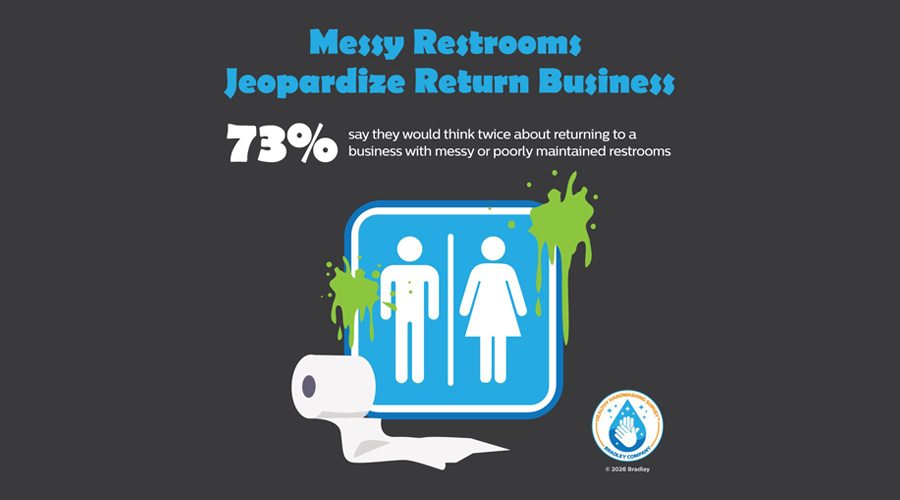 Global Handwashing Day and the Importance of Well-Maintained Restrooms