
Members of the American Meteorological Society (AMS), have recently expressed their concerns about hospital resilience in the aftermath of “high-impact” weather events throughout the country, according to an article on The Florida Times-Union website.
The meteorological society suggestions include having medical centers look at their structural designs and, in some cases, relocate critical components to higher ground.
In a disaster, healthcare’s main concern is supply and demand. Supply decreases when health infrastructure is damaged, but the demand increases as the number of victims adds up, the article said.
Dr. Thomas Frieden, director of the Centers for Disease Control and Prevention, recently told a Rockefeller Foundation audience that the first lesson is to build resilient systems that can be “scaled up” quickly.
In other words, know which systems are already in place that can be expanded on short notice to serve more people in a hurry, the article said.
 Elevating EVS Professionals: The Case for Certified Hygiene Specialists
 Global Handwashing Day and the Importance of Well-Maintained Restrooms
 Duke Health and CaroMont Health Partner to Develop Two New Hospitals
 Designing for the Psychology of Waiting
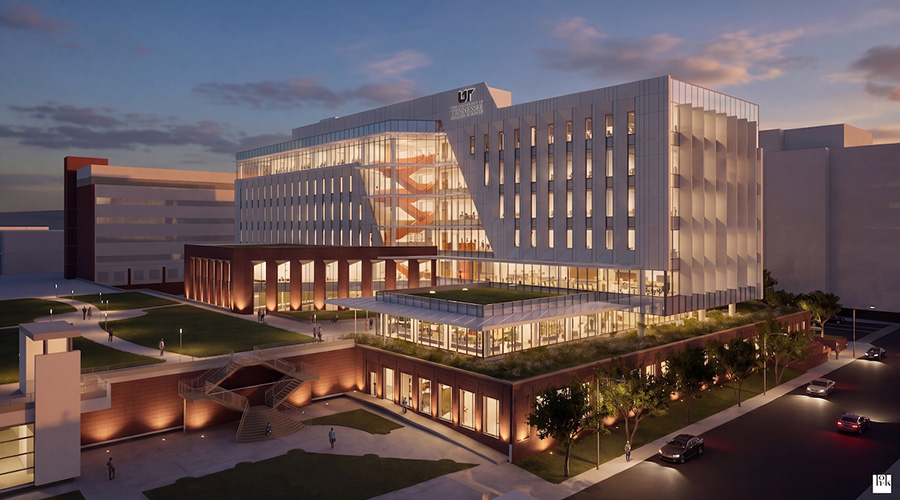 UT Health Sciences Breaks Ground on College of Medicine Interdisciplinary Building