
After Hurricane Irma knocked out the air conditioning at a Hollywood, Fla., nursing home, workers set up portable coolers to chill the air, according to an article on the St. Louis Post-Dispatch website.
According to expert testimony, the coolers actually made things worse in the home because they weren’t properly ventilated and pushed additional heat into a confined space.
The engineering expert testified last month in Tampa during ongoing litigation between the state healthcare agency and the nursing home over the loss of its license to operate. Twelve residents ultimately died in the hurricane's aftermath.
Most of that extra heat ended up flowing toward the second floor. where temperatures would likely have gone above 95 degrees. At least 10 of the residents who died lived on the second floor, some with internal temperatures approaching 110 degrees.
 Emergency Preparedness: Building a Stronger Community
 Ground Broken on Lavine Bekenstein Cancer Hospital in Massachusetts
 Camden-on-Gauley Medical Center Reports Data Security Incident
 Elevating EVS Professionals: The Case for Certified Hygiene Specialists
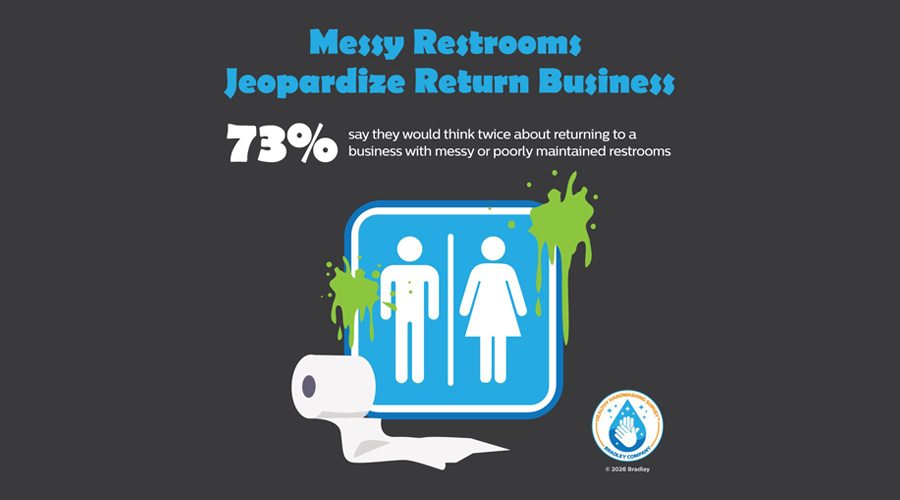 Global Handwashing Day and the Importance of Well-Maintained Restrooms