
The Department of Health and Human Services is proposing new requirements for healthcare facilities to ensure their readiness to care for patients during disasters, according to an article in The New York Times.
Describing emergency preparedness as an “urgent public health issue,” the proposal includes regulations aimed at preventing the disruptions that followed Hurricanes Katrina and Sandy.
More than 68,000 facilities would be affected, including large hospital chains, nursing homes, home health agencies, rural health clinics, organ transplant procurement organizations, outpatient surgery sites, psychiatric hospitals for youths and kidney dialysis centers, according to the article.
The initiative has met resistance from industry officials who question the first-year price tag of $225 million. The American Hospital Association said that federal officials “may have significantly underestimated the burden and cost associated with complying with this rule.”
The regulations would require hospitals, nursing facilities and group homes to have plans to maintain emergency lighting, fire safety systems, and sewage and waste disposal during power losses, and to keep temperatures at a safe level for patients, the article said.
Read the article.
 The Role of Biophilic Design in Healthcare Facilities
 TriStar Centennial Medical Center Invests $90M in Women, Children's Hospital Expansions
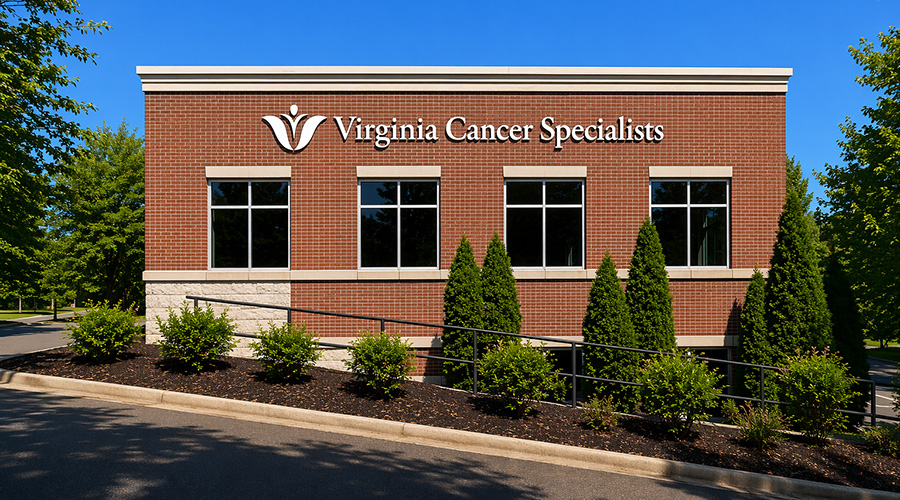 Virginia Cancer Specialists to Open Newly Expanded Fauquier Location
 Emergency Preparedness: Building a Stronger Community
 Ground Broken on Lavine Bekenstein Cancer Hospital in Massachusetts