
The last 16 months have created unprecedented challenges for healthcare facilities managers responsible for creating healthy and safe workplaces for staff and patients. As managers were addressing these pandemic-related issues, cybercriminals have been able to launch attacks on vulnerable targets within healthcare.
A growing wave of ransomware attacks has disrupted patient care and risked patient safety.
While data breaches flood the headlines, it’s not the only way cybercriminals can compromise patient safety, according to Health Facilities Management. Attacks on fire systems can create false alarms, loss of communication or denial of service. A malfunctioning fire alarm system could interrupt patient care and compromise safety.
Cyberattacks might not only affect data, but patient or occupant safety, as well. The objectives of hackers differ, but the common thread is that any weak point in a building’s information technology infrastructure, including equipment, building systems, internet of things devices and more, can be exploited and used as a pathway for attack.
Fire and life safety systems with cyber weaknesses have the potential to compromise safety, which is why the prospect of cyberattacks is currently being addressed in 16 NFPA codes and standards.
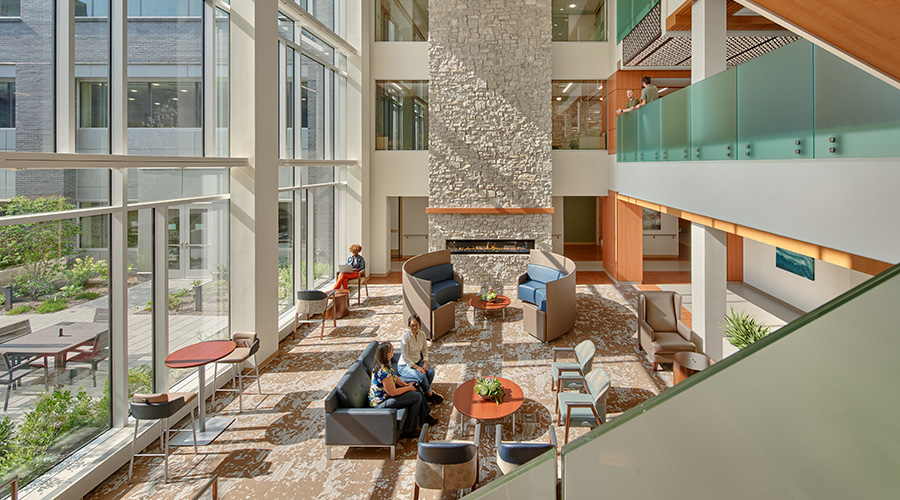 Designing for the Psychology of Waiting
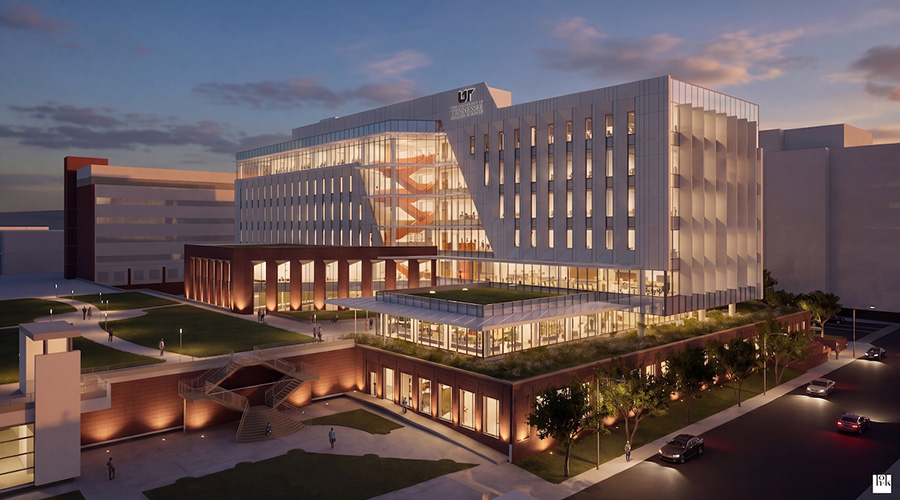 UT Health Sciences Breaks Ground on College of Medicine Interdisciplinary Building
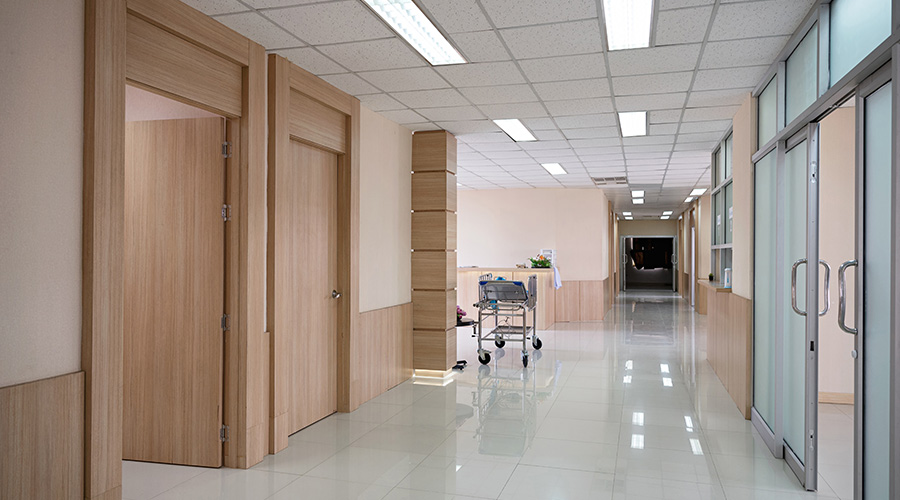 Vandalia Health, Mary Free Bed Break Ground on New Rehabilitation Hospital
 Why New Era of Care Demands an Ambulatory Facilities Approach
 ClearSky Health Plans New Medical Rehabilitation Hospital in North Carolina