
As learning curves go in healthcare facilities, artificial intelligence (AI) is among the steepest facility managers will face. The technology offers a great deal of potential to bring greater efficiency to facilities and organizations, but identifying applications that offer tangible efficiency and savings without sacrificing security will be challenging.
A recent report from the Government Accountability Office (GAO) and the National Academy of Medicine outlines the potential benefits of artificial intelligence (AI) on the U.S. healthcare system, according to Nextgov.
The report highlights the way nascent clinical and administrative AI tools have already improved treatment options, reduced burden on providers and augmented patient care. The report also identifies numerous challenges that could hinder further AI development in healthcare, including access to data, bias, transparency and privacy concerns, liability issues, and scaling and integration concerns.
AI has promising applications in health care, including augmenting patient care. For example, it may have the potential to improve treatment, reduce the burden on providers, and generally increase the efficiency with which health care facilities and providers use resources, resulting in potential cost savings or health gains. The report also notes challenges in applying AI tools for healthcare, including raises ethical, legal, economic and social questions.
To mitigate some of these challenges, GAO issued six policy recommendations, five of which address new actions by Congress and federal, state and local government officials. The recommendations encouraged: collaboration between developers and healthcare providers; developing high-quality data access mechanisms; establishing best practices regarding AI technologies; workforce skill development; and enhanced oversight mechanisms.
Click here to read the article.
 Emergency Preparedness: Building a Stronger Community
 Ground Broken on Lavine Bekenstein Cancer Hospital in Massachusetts
 Camden-on-Gauley Medical Center Reports Data Security Incident
 Elevating EVS Professionals: The Case for Certified Hygiene Specialists
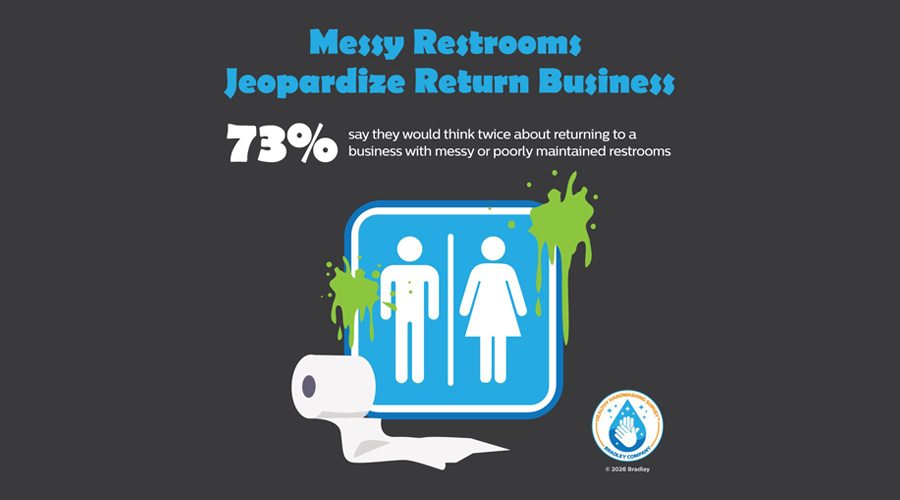 Global Handwashing Day and the Importance of Well-Maintained Restrooms