
All across the country, walk-in medical clinics - in the form of retail clinics and urgent care centers - have been springing up for people seeking more customer-friendly and time efficient healthcare, according to an article on the Stamford Advocate website.
That demand, coupled with shifts in health-care policy that will result in a surge in the number of Americans with insurance, has fostered a rapidly expanding business, the article said.
"What is happening in Connecticut right now is reflective of what's going on throughout the nation in urgent care," Alan Ayers, a vice president of strategy, execution and product management for Concentra Urgent Care, said in the article.
There are presently 1,615 retail clinics in the United States, according to Merchant Medicine, a company that tracks their growth. In 2006, there were only around 200, according to the article.
The boom in urgent care is even more noticeable. The Urgent Care Association of America, an industry group, estimates that there are approximately 9,000 urgent care facilities nationwide, with at least 300 opening annually since 2008, the article said. About 55 percent are located in suburban areas. The bulk of the centers are run by doctors' groups, corporations and hospitals.
Considered a step above retail clinics in terms of breadth of services and expertise, urgent care centers usually have at least one doctor on staff.
Read the article.
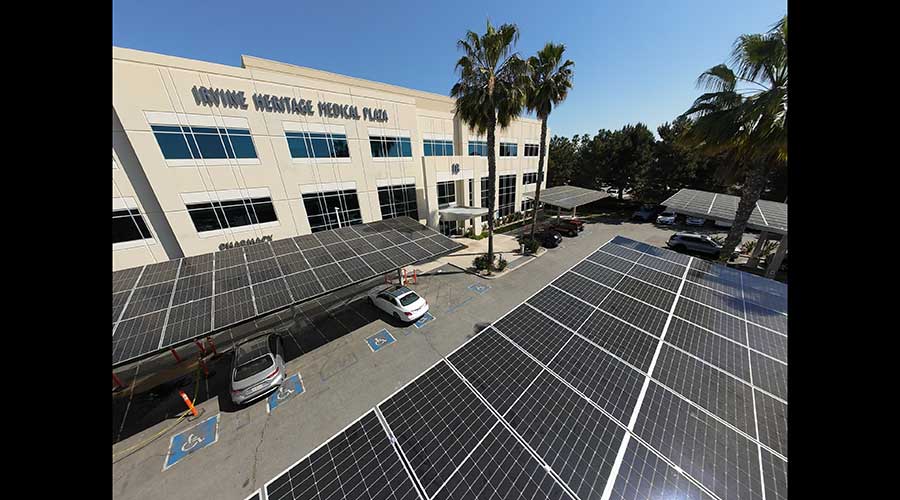 Rethinking Parking Lot Design at Irvine Heritage Medical Plaza
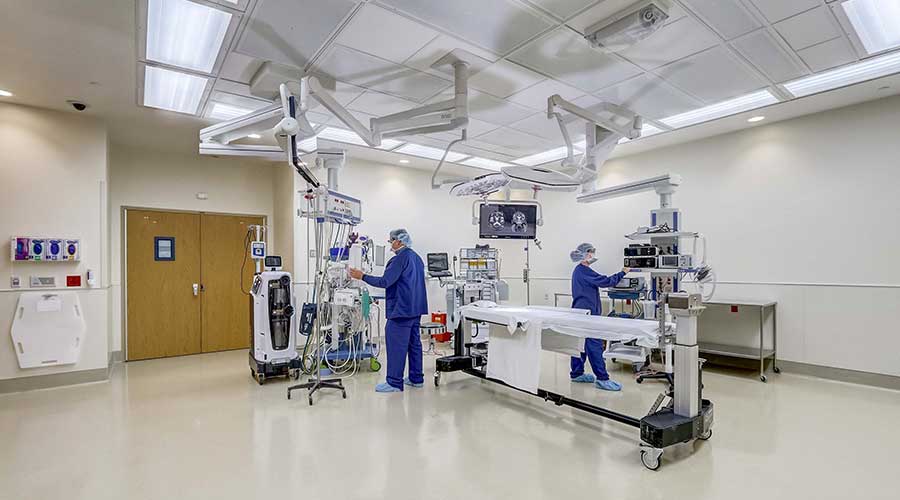 Repurposing Healthcare Spaces: 5 Critical Questions
 Disinfectant Contact Time: The Case for Biofilm Disruption
 Rethinking How Healthcare Facilities Fund Construction Projects
 Putting Trauma-Informed Design into Practice