
Nearly 120,000 people contracted bloodstream staph infections in the United States in 2017, most of them in healthcare facilities – and nearly 20,000 died, according to an article on the USA Today website.
Progress against the most dangerous antibiotic-resistant staph infections in hospitals stalled after dropping an average of about 17 percent per year from 2005 to 2013, according to recent data from the Centers for Disease Control and Prevention.
"Unfortunately, only a small faction of hospitals do great and the vast majority are not doing as well as they should be," said Joe Kiani, CEO of the medical equipment company Masimo and chairman of the board of the Patient Safety Movement Foundation.
One success story can be found with the VA.Veterans Affairs medical centers reduced staph infections by 43 percent from 2005 to 2017 by implementing a broad MRSA prevention program, the CDC reported. The program included MRSA screening, gloves and gowns on workers, and an increased emphasis on hand-washing and other ways to prevent infections.
With so much known about how to prevent MRSA, Leapfrog CEO Leah Binder said, hospitals have to make fighting infection "the absolute priority."
 Elevating EVS Professionals: The Case for Certified Hygiene Specialists
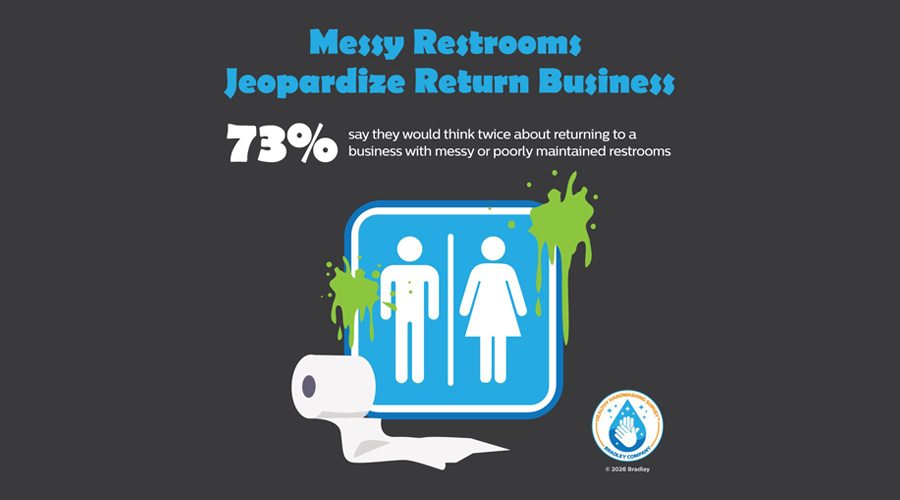 Global Handwashing Day and the Importance of Well-Maintained Restrooms
 Duke Health and CaroMont Health Partner to Develop Two New Hospitals
 Designing for the Psychology of Waiting
 UT Health Sciences Breaks Ground on College of Medicine Interdisciplinary Building