A vending machine that dispenses fresh foods via RFID was tested at San Francisco hospitals, according to an article on the RFID Journal website.
The refrigerated vending machine has a built-in RFID reader to identify which food items consumers have removed from its shelves.
This spring and summer, the University of California, San Francisco Medical Center's nutrition and food services department and Stanford Health Care each piloted a refrigerated kiosk to determine whether they could use the system to provide fresh foods and cold drinks to employees and visitors, even when staff members were not available to sell the product personally.
"Our operations have used traditional vending machines for years," said Charles Davies, the UCSF Medical Center's associate director of operations and culinary innovation.
"With the use of RFID tags we now have expanded our vending options to fresh refrigerated food," he said in the article.
The medical center is open 24 hours a day, while its café closes at night, leaving personnel and other customers with few food options except those items sold in vending machines after business hours.
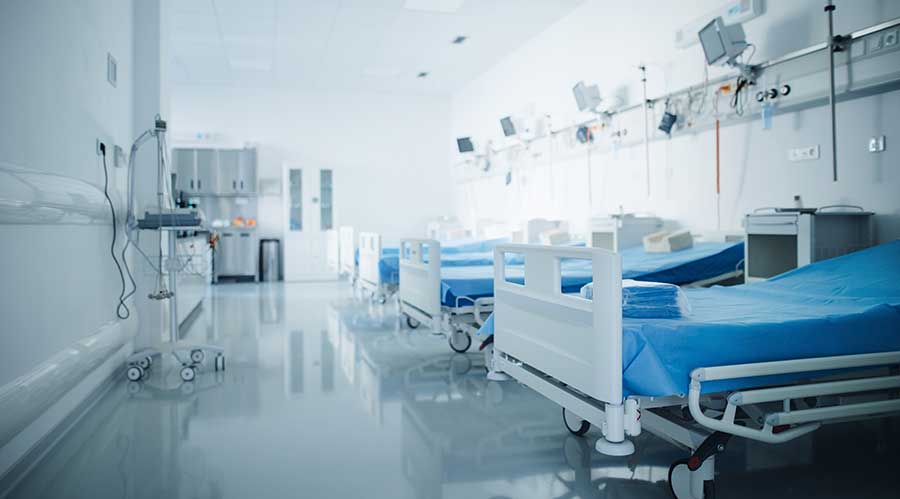 Harris Health to Build New Freestanding Cancer Center
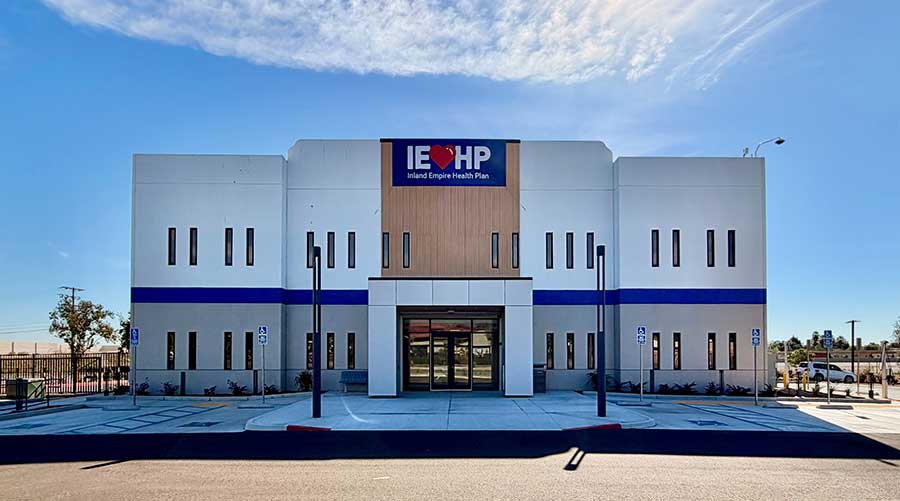 Inland Empire Health Plan Opens Expanded San Bernardino Community Wellness Center
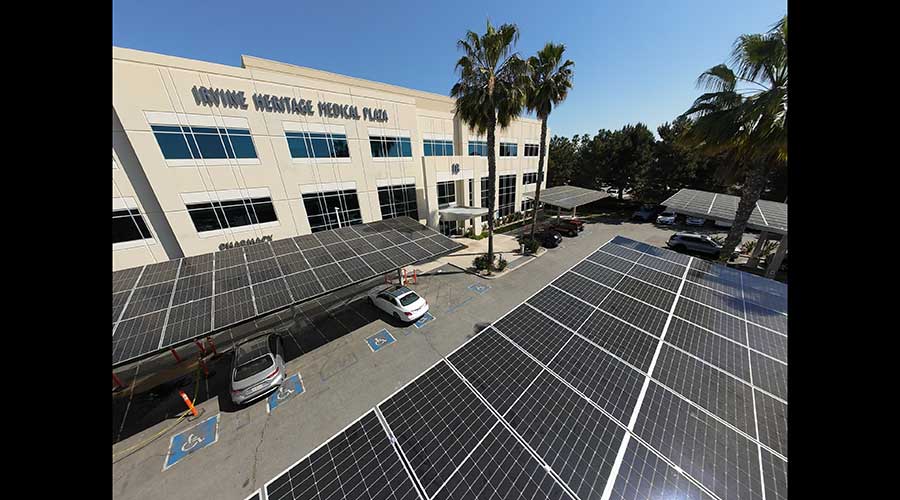 Rethinking Parking Lot Design at Irvine Heritage Medical Plaza
 Repurposing Healthcare Spaces: 5 Critical Questions
 Disinfectant Contact Time: The Case for Biofilm Disruption