
Healthcare facilities are diversifying their communication tools, outfitting buildings with technology and running preparedness scenarios to get ready for next seismic event, according to an article on the Fierce Healthcare website.
For example, California hospitals follow the Hospital Facilities Seismic Safety Act, requiring all hospitals be built or retrofitted to withstand major earthquakes following the big 1994 Northridge quake.
Communication—and redundancy—is key to successfully navigating through an earthquake. At UCLA Health, multiple methods are used including traditional phone, VoIP, HAM Radio, cellular phones, high- and low-band radios with dedicated frequencies, satellite phones/data transmission, alphanumeric pagers, public address systems, email, web-based desktop notification banners and reverse 911 technologies.
UCLA Health also uses Shake Alert via the U.S. Geological Survey and the City of Los Angeles. This resource provides potential early warning notifications for activity in the Los Angeles area.
 Elevating EVS Professionals: The Case for Certified Hygiene Specialists
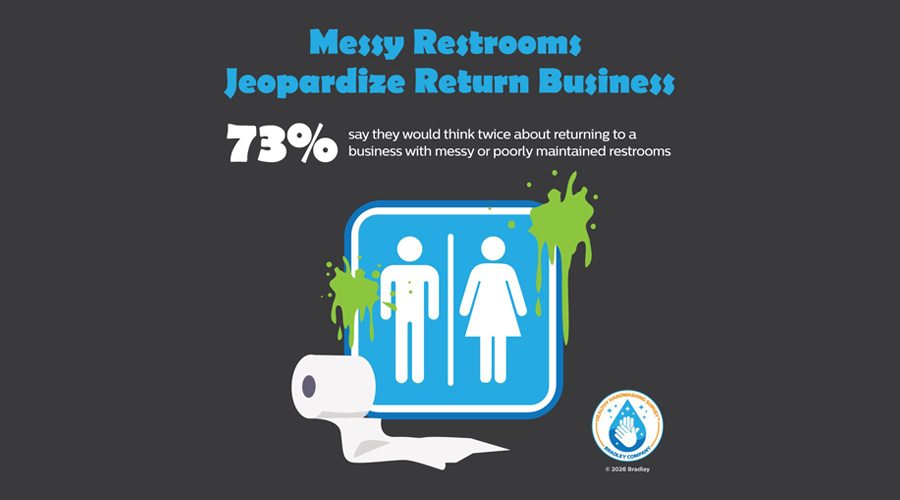 Global Handwashing Day and the Importance of Well-Maintained Restrooms
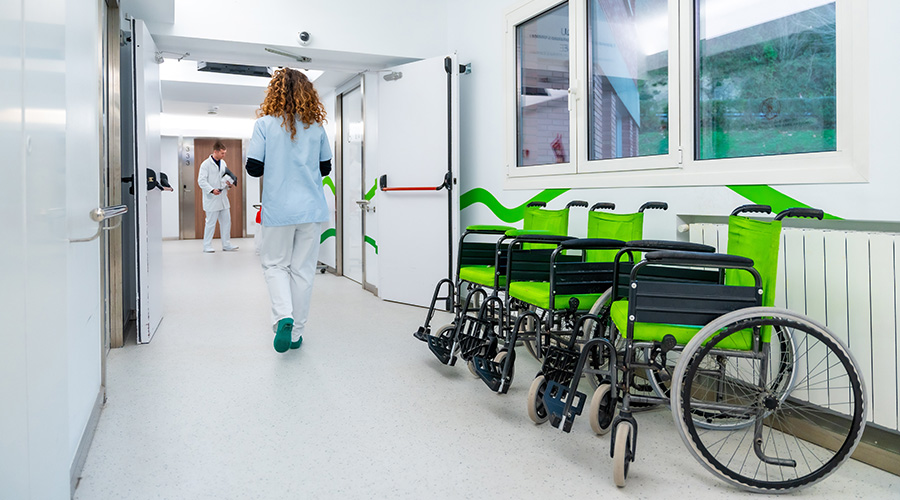 Duke Health and CaroMont Health Partner to Develop Two New Hospitals
 Designing for the Psychology of Waiting
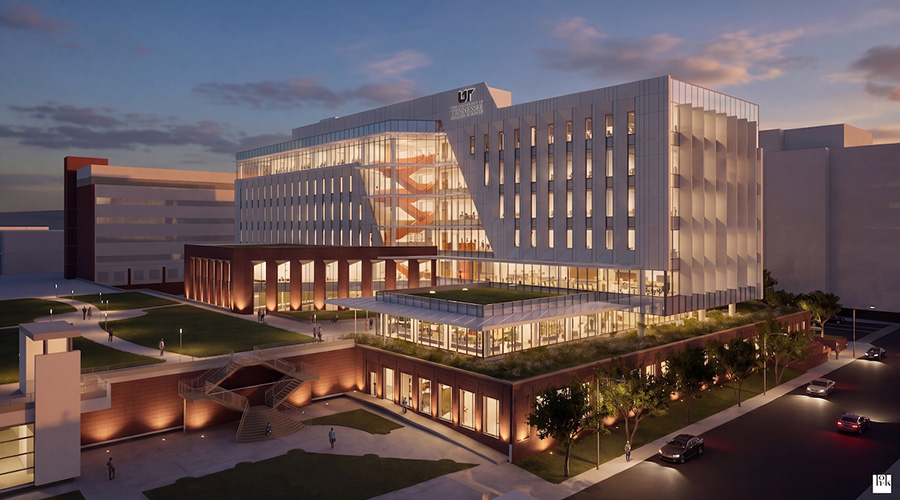 UT Health Sciences Breaks Ground on College of Medicine Interdisciplinary Building