
A spotlight is on security in Montana maternity wards after a woman who tested positive for methamphetamine fled an Anaconda hospital with her newborn just hours later, according to an article on The Montana Standard website.
Hospitals nationwide have upped security measures in their nurseries in recent years to prevent infant abductions, according to the FBI.
But it’s unclear how the woman skirted security at the Community Hospital of Anaconda to abduct the newborn.
In Butte, St. James Healthcare increased security in its birthing area about five years ago. In the past, anyone could walk up to the nursery window to look at the newborns. Today, a locked door leads into the birthing area and nursery, and only nurses have authority to allow people to enter, the article said.
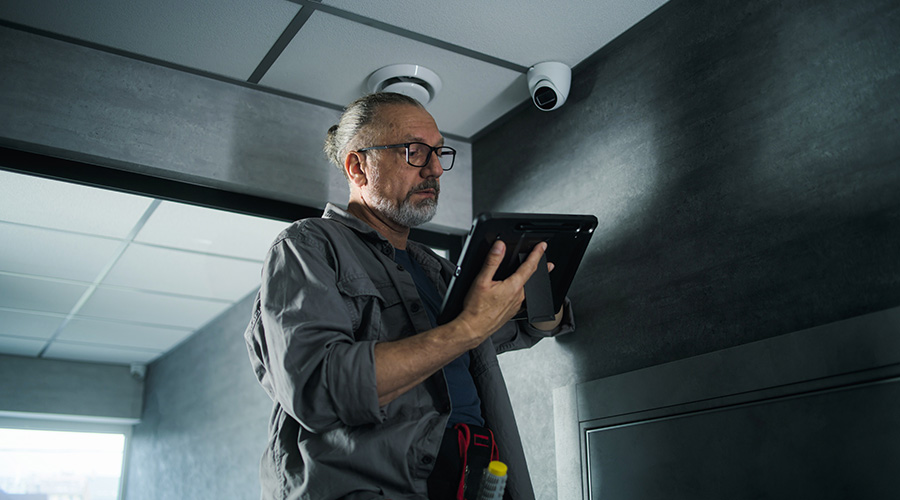
No one leaves the ward without passing a nurses’ station staffed around the clock and the four video cameras that monitor hallways and doors, a hospital spokeswoman said.
 Emergency Preparedness: Building a Stronger Community
 Ground Broken on Lavine Bekenstein Cancer Hospital in Massachusetts
 Camden-on-Gauley Medical Center Reports Data Security Incident
 Elevating EVS Professionals: The Case for Certified Hygiene Specialists
 Global Handwashing Day and the Importance of Well-Maintained Restrooms