
Infection rates decreased at Orlando Health South Seminole Hospital after the hospital began using germ-zapping robots, according to an article on the CleanLink website
A new peer-reviewed study published in the American Journal of Infection Control (AJIC) said South Seminole Hospital reported a 61 percent reduction in combined Vancomycin-resistant enterococci (VRE), MRSA and C.diff infection rates in its intensive care unit (ICU), an 87 percent reduction in its ICU VRE infection rate, and a 29 percent reduction facility-wide in combined VRE, MRSA and C. diff infection rates after it began using Xenex’s xenon light technology.
The hospital estimated it saved $730,000 based on the number of C.diff and VRE infections that were avoided.
Hospital cleaning staff operate the robot without disrupting hospital operations.
The robot pulses intense UV light covering the entire UV spectrum, destroying viruses, bacteria and bacterial spores in a five-minute disinfection cycle.
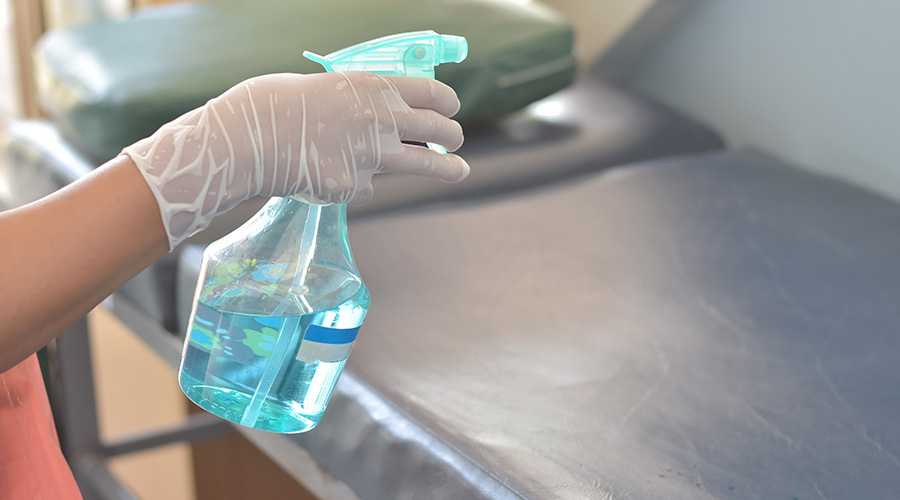 Elevating EVS Professionals: The Case for Certified Hygiene Specialists
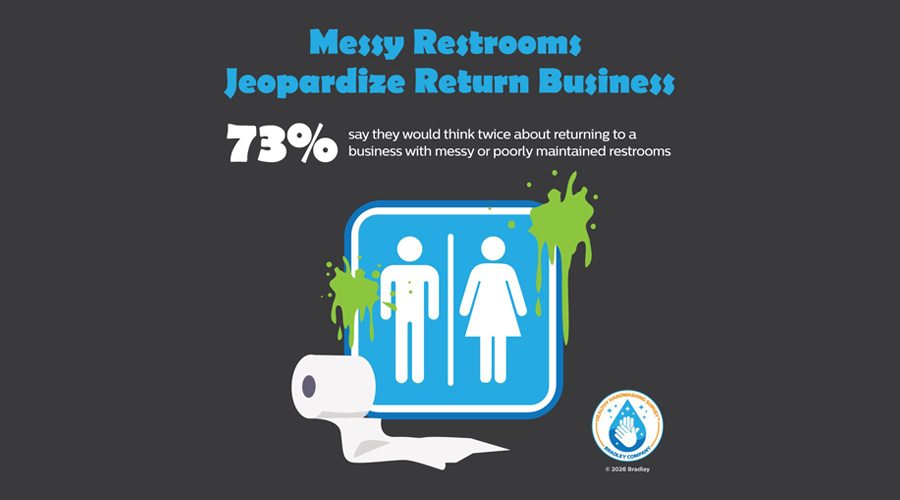 Global Handwashing Day and the Importance of Well-Maintained Restrooms
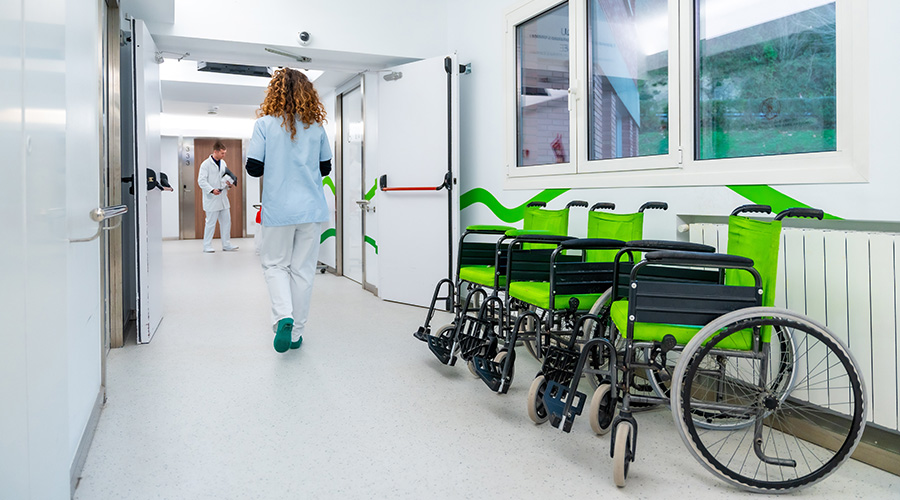 Duke Health and CaroMont Health Partner to Develop Two New Hospitals
 Designing for the Psychology of Waiting
 UT Health Sciences Breaks Ground on College of Medicine Interdisciplinary Building