
In an article on the Health Facilities Management website, American Society for Healthcare Engineering's (ASHE) senior executive director Dale Woodin talked about the challenges facing healthcare facilities managers.
Too often, healthcare facilities managers are not part of the C-suite team and, therefore, not included in the initial conversations regarding space utilization needs, Woodin said.
"Without a person in the C-suite who understands the capabilities of the current infrastructure, whether it be utility, technology or regulatory, there is a high potential to suboptimize facility assets leading to undesirable results," he said in the article.
According to Woodin, by improving their ability to communicate in business terms and finding ways to reduce operating costs while improving performance, facilities managers can generate trust capital.
 Elevating EVS Professionals: The Case for Certified Hygiene Specialists
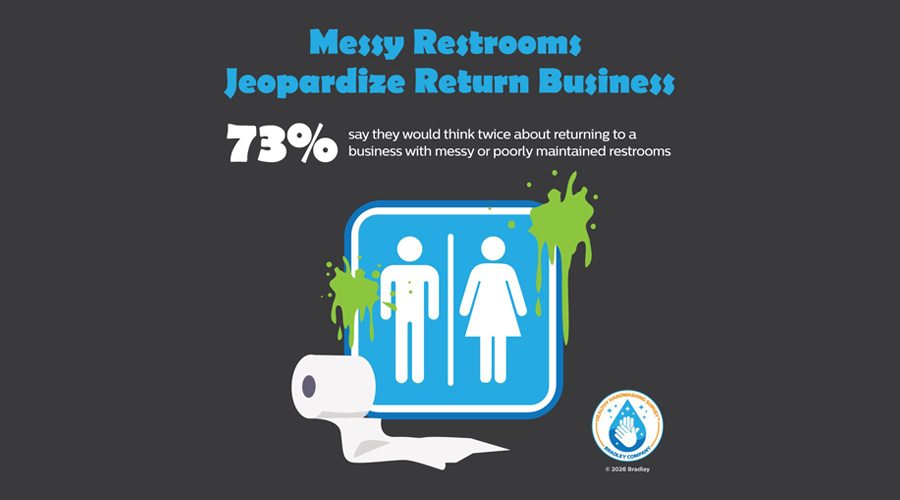 Global Handwashing Day and the Importance of Well-Maintained Restrooms
 Duke Health and CaroMont Health Partner to Develop Two New Hospitals
 Designing for the Psychology of Waiting
 UT Health Sciences Breaks Ground on College of Medicine Interdisciplinary Building