
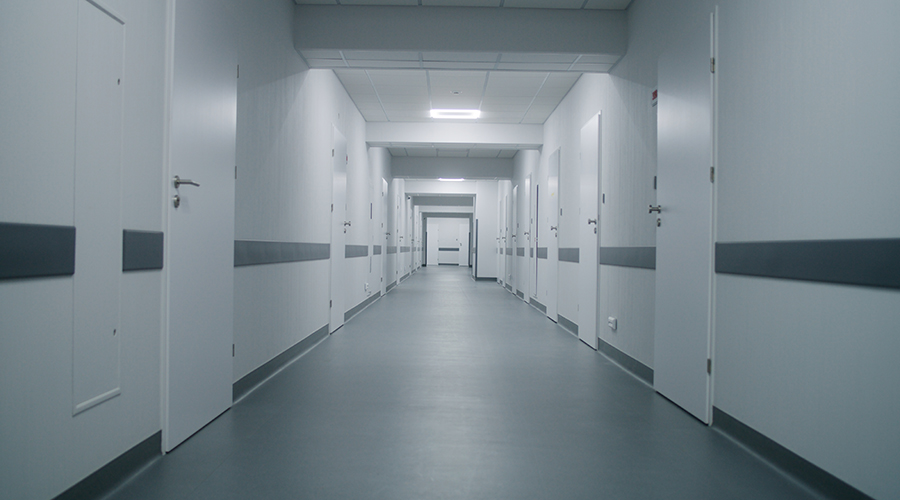
Patients' and visitors' impressions of a health care facility's interiors directly relate to customer satisfaction. Specifically, surveys show that people make judgments about the quality of care they receive based on the condition of the health care environment, according to an article on the Health Facilities Management website.
The Hospital Consumer Assessment of Healthcare Providers and Systems, commissioned by the Centers for Medicare & Medicaid Services, includes the hospital's environment as one of the key areas of its survey - ample evidence of the importance of attractive design and colors schemes — as was as the condition of the furnishings.
Knowing this, most facilities support and budget for attractive, welcoming environments in the planning stages, according to the article. Keeping the spaces as attractive, 10 years down the road is the bigger challenge. Budgets for maintenance usually compete with other critical expenditures.
Read the article.
 Ambulatory Care Facilities Reshape FM Strategies
 Intermountain Foundation Receives $150M Gift for Children's Hospital in Nevada
 Texas HHSC Reaches Construction Milestone for Wichita Falls State Hospital
 Preparing Healthcare Facilities for Wildfire Air Quality Events
 UW Health Set to Open Expansion at East Madison Hospital