The COVID-19 pandemic has disrupted the bottom lines of healthcare organizations in nearly every possible way. As a result, facilities managers and other healthcare leaders are searching high and low for savings to help their organizations survive in the pandemic era. For facilities, energy efficiency is a traditional source of potential savings.
Managers have a host of tools and resources for improving sustainability in healthcare facilities, including its Energy to Care program, according to Healthcare Facilities Management. Energy to Care gives healthcare facilities professionals access to a wealth of information about successful ways to assess, track and reduce energy consumption in their buildings.
The new Energy to Care Sustainability Guidebook and Checklist walks facilities managers through all stages of program planning and implementation. It outlines the steps involved in creating a successful sustainability program, including the development of energy policies, sustainability plans, green teams, measurement and verification protocols, and communications strategies.
The program’s energy conservation measures (ECMs) are how-to guides about schedule, control and repair measures that healthcare facilities can implement to maximize sustainability.
Click here to read the article.
 Harris Health to Build New Freestanding Cancer Center
 Inland Empire Health Plan Opens Expanded San Bernardino Community Wellness Center
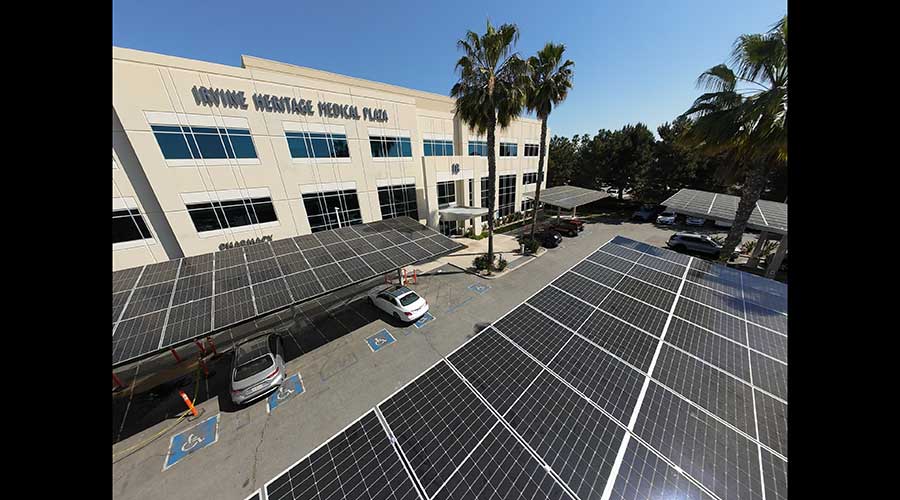 Rethinking Parking Lot Design at Irvine Heritage Medical Plaza
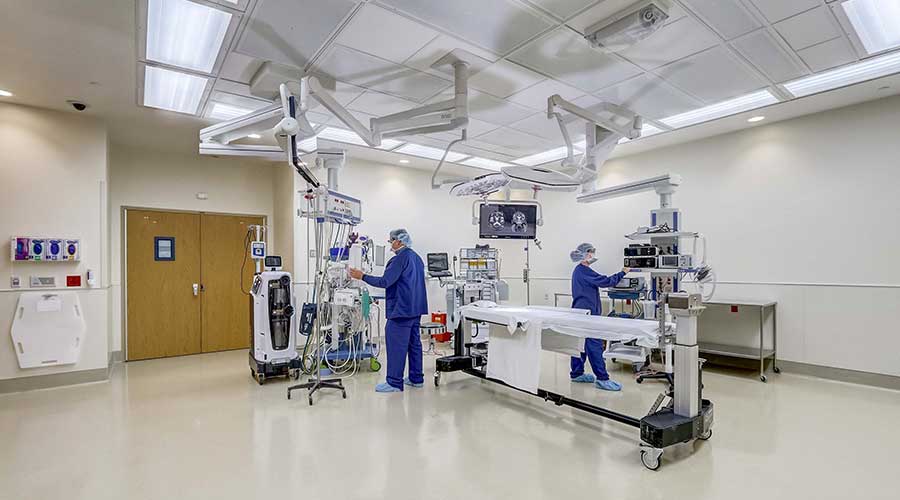 Repurposing Healthcare Spaces: 5 Critical Questions
 Disinfectant Contact Time: The Case for Biofilm Disruption