
Healthcare organizations are increasingly using mass notification systems, originally intended for emergency situations, for other critical communications. The multiple methods of contact — mobile, landline, short message service (SMS), pagers, email and social media — virtually ensure information gets to all parties as quickly as possible.
A recent article in Health Facilities Management magazine discusses five examples of how mass notification systems have helped improve daily operational efficiency in healthcare organizations.
Among the examples used was the ability to accelerate code-calls and operational communications. Traditionally this information was communicated via pagers and public address systems. However, mass notification is often a more efficient way to communicate color-coded events and STEMI alerts to key personnel, the article says.
Another interesting example cited was the ability to quickly fill shifts with qualified staff. According to the article, one hospital uses their mass notification system as a way for Emergency Department charge nurses to fill open shifts in a pinch.
 Elevating EVS Professionals: The Case for Certified Hygiene Specialists
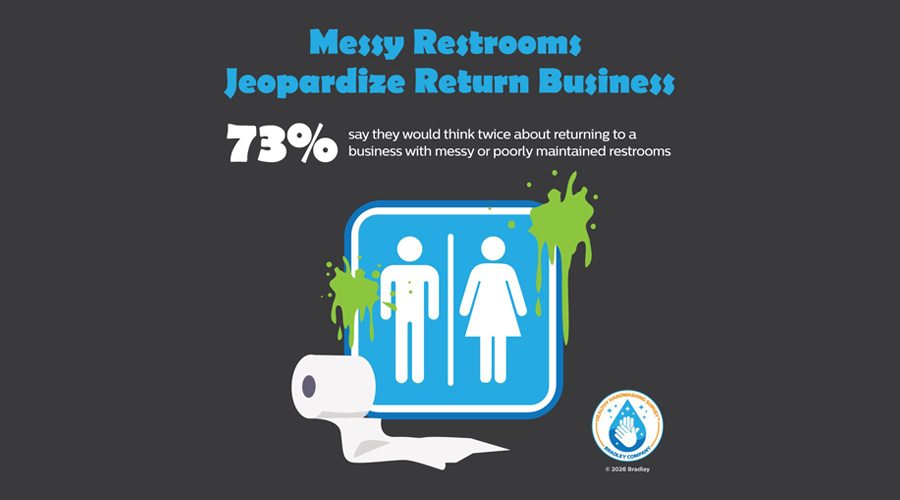 Global Handwashing Day and the Importance of Well-Maintained Restrooms
 Duke Health and CaroMont Health Partner to Develop Two New Hospitals
 Designing for the Psychology of Waiting
 UT Health Sciences Breaks Ground on College of Medicine Interdisciplinary Building