
The microhospital trend is bringing accessible healthcare with less facility costs, according to an article on the WESA website.
Microhospitals offer more limited care than regular hospitals, but patients will be able to get treatment for things like broken bones or pneumonia. There’ll also be primary care and offices for various specialties.
Tory Wolff, the co-founder of the Massachusetts-based firm Recon Strategy, which specializes in healthcare regulations and trends, said healthcare organizations' expansion into suburbs and exurbs is, in part, driven by patient preferences.
“You want to be readily accessible so that patients will want to, when it’s appropriate, come in to and see a doctor or see nurse so they don’t wait and wait and wait and end up in an [emergency department] with something that’s very serious,” said Wolff.
 Elevating EVS Professionals: The Case for Certified Hygiene Specialists
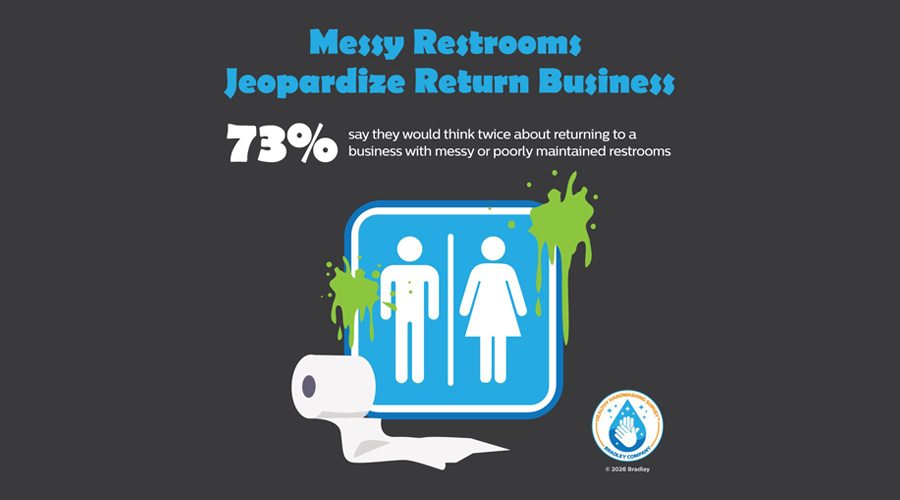 Global Handwashing Day and the Importance of Well-Maintained Restrooms
 Duke Health and CaroMont Health Partner to Develop Two New Hospitals
 Designing for the Psychology of Waiting
 UT Health Sciences Breaks Ground on College of Medicine Interdisciplinary Building