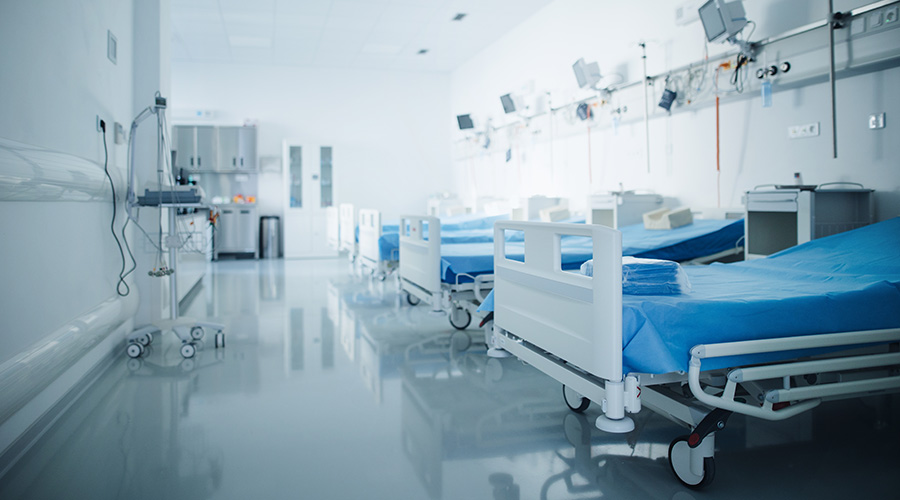
New bacteria infects cancer patients in Arkansas

Patients who had ports accessed at ACI between March 22 and September 11 of this year are considered at risk


A newly discovered bacteria has infected dozens of cancer patients who received treatments at the Arkansas Cancer Institute (ACI), according to an article on the KARK website.

The epidemiologist at the State Health Department (ADH) said that the bacteria is so new that doctors don't know exactly what it does.

Patients who had ports accessed at ACI between March 22 and September 11 of this year are considered at risk.

"We know that things have gone wrong in the development of their flushes. They have created their own flushes which were supposed to be sterile and they were not sterile," according to an ADH official.   

Read the article.


November 12, 2018


Topic Area: Infection Control


Recent Posts

Disinfectant Contact Time: The Case for Biofilm Disruption

Contact time, while essential for compliance, does not reliably predict microbial reduction on actual healthcare surfaces.


Rethinking How Healthcare Facilities Fund Construction Projects

Rising costs and competing priorities are driving healthcare organizations to explore new financing arrangements and construction strategies.


Putting Trauma-Informed Design into Practice
Arnold's Place demonstrates how design choices can promote dignity and a sense of control for those experiencing homelessness.


Harris Health to Build New Freestanding Cancer Center

The center is planned to open in 2029, following the opening of the new O'Quinn Hospital along the North Loop at Lockwood.


Inland Empire Health Plan Opens Expanded San Bernardino Community Wellness Center

The new 33,000-square-foot center is nearly three times the size of the original location off Second Street.


FREE Newsletter Signup Form

News & Updates | Webcast Alerts
Building Technologies | & More!


All fields are required. This site is protected by reCAPTCHA and the Google Privacy Policy and Terms of Service apply.