
Monongahela Valley and Uniontown (Penn.) hospitals have implemented new technology and increase visitor security policies, according to an article on the Trib Live website.
Monongahela Valley Hospital is working to more securely register patients, while Uniontown Hospital is boosting safety measures for after-hours visitation and renovating its website, the article said.
Mon Valley Hospital has implemented biometrics, offering optional fingerprint scans for patient identification.
In Fayette County, technology also played a role in a new Uniontown Hospital visitation policy.
Visitors who arrive at the hospital at other than regular visiting hours — 10 a.m. to 8 p.m. daily — must now obtain a visitor's pass and provide photo identification.
After-hours visitors will be issued passes that include their photo, their name, the unit and room number they are visiting and an expiration date. Photos will be taken at registration.
 Elevating EVS Professionals: The Case for Certified Hygiene Specialists
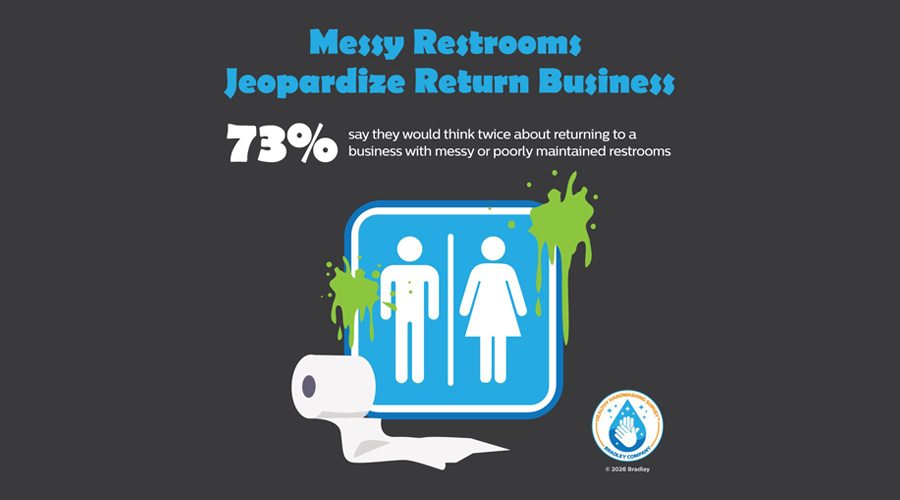 Global Handwashing Day and the Importance of Well-Maintained Restrooms
 Duke Health and CaroMont Health Partner to Develop Two New Hospitals
 Designing for the Psychology of Waiting
 UT Health Sciences Breaks Ground on College of Medicine Interdisciplinary Building