
Prefabrication and modularization can help to maximize the return on investment in new construction or renovation projects by reducing waste and improving speed of construction, according to an article on the Health Facilities Management website.
Both work well with the complex yet repetitive components that often make up healthcare facilities. Also, prefabrication and modularization both rely on 3-D building information modeling (BIM), which encourages consistency and collaboration.
The decision to use prefabricated or modular elements in a healthcare construction project depends on a number of variables, the article said. Among these is the design of the project, the parties involved and logistical considerations.
The assembly, transport and installation of prefabrication and modularization are essentially the same, yet approached differently.
 Elevating EVS Professionals: The Case for Certified Hygiene Specialists
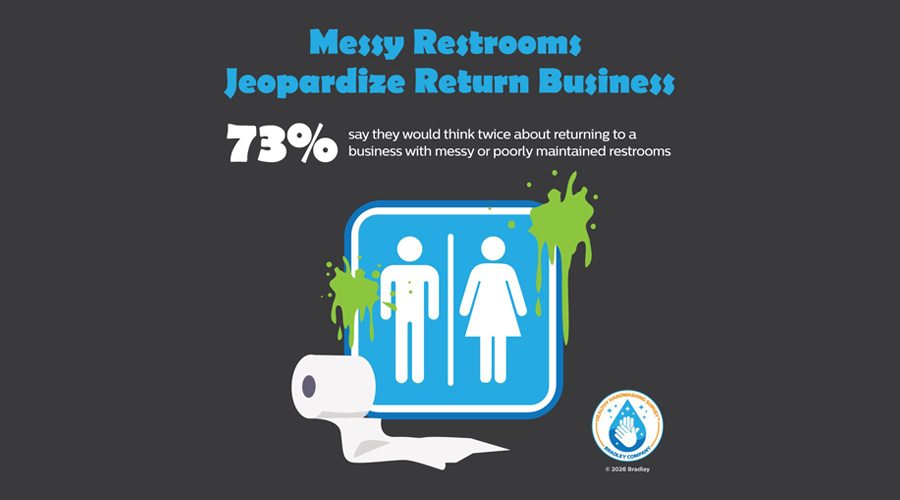 Global Handwashing Day and the Importance of Well-Maintained Restrooms
 Duke Health and CaroMont Health Partner to Develop Two New Hospitals
 Designing for the Psychology of Waiting
 UT Health Sciences Breaks Ground on College of Medicine Interdisciplinary Building