
A St. Luke's University Hospital security guard had not been fully trained in monitoring patients when a man jumped to his death from a hospital window, a Pennsylvania state investigation found, according to an article on the The Morning Call website.
The patient, who had been diagnosed with an "impulse control disorder," was under "continual observation" at the Fountain Hill hospital but was allowed to use the bathroom without being monitored, the report said.
After the report, St. Luke's agreed to provide continual observation training to security guards. In addition, the hospital replaced privacy locks on all single-patient inpatient bathrooms with passage sets that cannot lock.
The report said that patient rooms in the ICU "were not specifically outfitted to accommodate patients with active behavioral symptoms, such as aggressive and impulse behavioral disturbances." The report does not indicate whether the design of the unit or the windows violated safety standards.
 Elevating EVS Professionals: The Case for Certified Hygiene Specialists
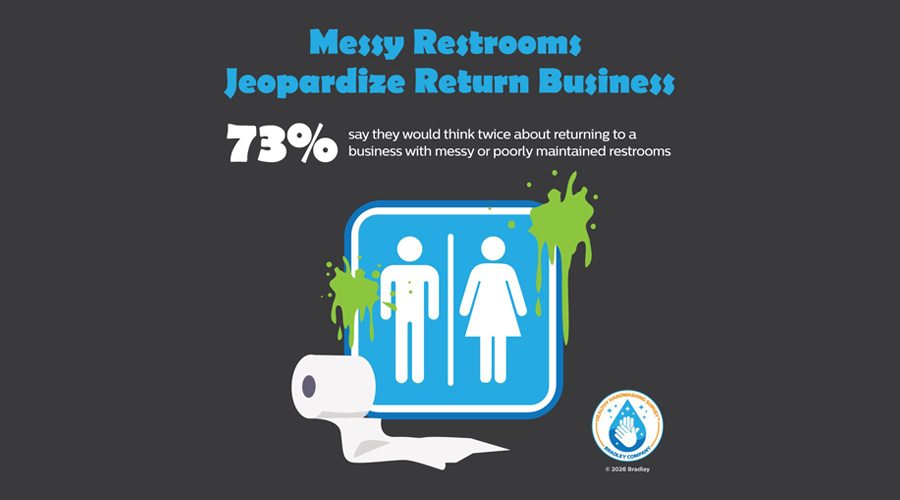 Global Handwashing Day and the Importance of Well-Maintained Restrooms
 Duke Health and CaroMont Health Partner to Develop Two New Hospitals
 Designing for the Psychology of Waiting
 UT Health Sciences Breaks Ground on College of Medicine Interdisciplinary Building