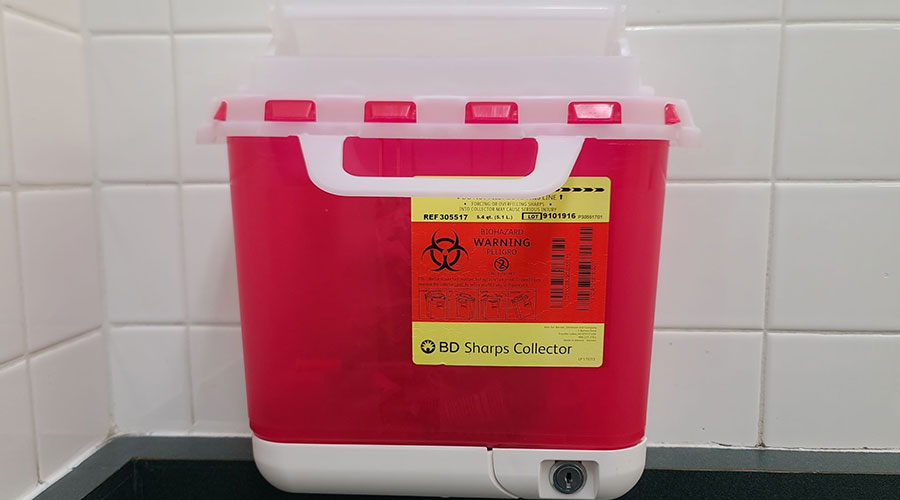
The Minnesota Pollution Control Agency (MPCA) has fined Regions Hospital for $100,000 for improper disposal of infectious waste, KROC News reports. The hospital reportedly disposed of liquid blood and liquids contaminated with liquid blood in tubing, plastic bags, syringes, laboratory collection tubes and suction canisters at a waste-to-energy site last year.
Officials say the infectious waste was sent to the wrong facility several times, prompting staff to notify the MPCA, KROC News reports. Regions Hospital has since reviewed and revised their waste management procedures to ensure the wastes stay separated and gets to the proper facilities.
Related Content: Improper Medical Waste Disposal Puts Staff at Risk: Survey
Improper methods of disposing of medical waste can pose a risk of exposure to biohazards. If an employee were to come into contact with hazardous wastes, such as needles or other contaminated objects, they could potentially get sick, posing a safety concern for healthcare facilities.
According to Stericycle, the waste segregation process should be done according to the color and type of waste container:
- Red bags and sharps containers: Red bags are used for non-sharp medical waste, including blood-soaked gauze or other potentially infectious materials. Red sharps containers are for previously used needles, blades or other sharp tools that are potentially contaminated with blood or other infectious materials.
- Yellow containers: These are used for the disposal of trace chemotherapy drugs, which refers to waste contaminated through contact with or having contained chemotherapeutic agents.
- Blue lid bins and blue lid containers: These are used for the disposal of non-hazardous waste pharmaceuticals.
- Black containers: These are for hazardous wastes, including hazardous waste pharmaceuticals. Waste disposed of in these containers will either be a listed “waste” or have a hazardous waste characteristic (ignitable, reactive, toxic or corrosive).
Jeff Wardon, Jr., is the assistant editor of the facilities market.
 Building Envelope Design: Beyond Energy Efficiency
 Outpatient Surge Reshapes Long-Term Strategy for Medical Outpatient Buildings
 Mercy Medical Center to Be Integrated into Baystate Health
 Managing IAQ in Healthcare Facilities During Wildfires
 Building Hospital Resilience in an Era of Extreme Weather