Research examines wastewater to detect community spread of coronavirus

Samples from a wastewater treatment plant serving a large metropolitan area found that the amount of SARS-CoV-2 particles in the sewage samples indicated a far higher number of people likely infected with Covid-19


Researchers are looking at wastewater to measure how prevalent SARS-CoV-2 is in a given community, according to an article on the STAT website.

Researchers collected samples in late March from a wastewater treatment plant serving a large metropolitan area in Massachusetts and found that the amount of SARS-CoV-2 particles in the sewage samples indicated a far higher number of people likely infected with Covid-19 than the reported cases in that area.

The study estimated that there were at least 2,300 people infected with Covid-19 in the area around the treatment facility. But at the time of analysis, which has not yet been peer-reviewed, there were 446 cases officially reported in that area.

Researchers in the Netherlands similarly described detecting the novel coronavirus in sewage samples — sometimes even before public health officials reported the first diagnosed case of Covid-19 in a given community.
Read the article.


April 21, 2020


Topic Area: Infection Control


Recent Posts

Harris Health to Build New Freestanding Cancer Center
The center is planned to open in 2029, following the opening of the new O'Quinn Hospital along the North Loop at Lockwood.


Inland Empire Health Plan Opens Expanded San Bernardino Community Wellness Center
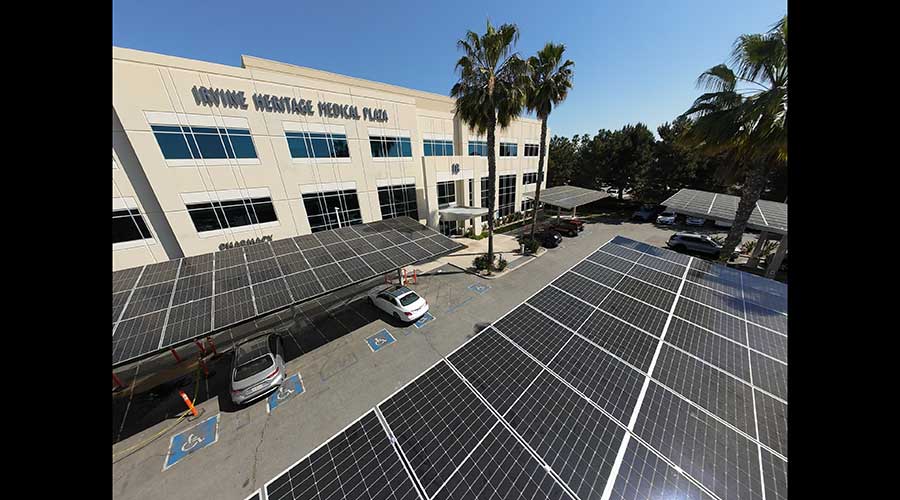
The new 33,000-square-foot center is nearly three times the size of the original location off Second Street.


Rethinking Parking Lot Design at Irvine Heritage Medical Plaza
A new solar installation shows how healthcare facilities can improve parking amenities while boosting energy savings


Repurposing Healthcare Spaces: 5 Critical Questions
Done well, converting existing spaces can trim upfront project costs by up to 40 percent, compared with ground-up construction


Disinfectant Contact Time: The Case for Biofilm Disruption

Contact time, while essential for compliance, does not reliably predict microbial reduction on actual healthcare surfaces.


FREE Newsletter Signup Form

News & Updates | Webcast Alerts
Building Technologies | & More!


All fields are required. This site is protected by reCAPTCHA and the Google Privacy Policy and Terms of Service apply.


Healthcare Facilities Today membership includes free email newsletters from our facility-industry brands.

Facebook   Twitter   LinkedIn   Posts

Copyright © 2023 TradePress. All rights reserved.