
Under its agreement with states, the the Centers for Disease Control and Prevention (CDC) is barred from publicly identifying hospitals that are battling to contain the spread of dangerous pathogens, according to an article on The New York Times website.
The rise of a deadly drug-resistant fungus called Candida auris has raised questions about the policy of secrecy.
Patient advocates say the lack of transparency can potentially endanger patients.
“They might not get up and go to another hospital, but patients and their families have the right to know when they are at a hospital where an outbreak is occurring,” Lisa McGiffert of the Patient Safety Action Network, said in the article. “That said, if you’re going to have hip replacement surgery, you may choose to go elsewhere.”
 Elevating EVS Professionals: The Case for Certified Hygiene Specialists
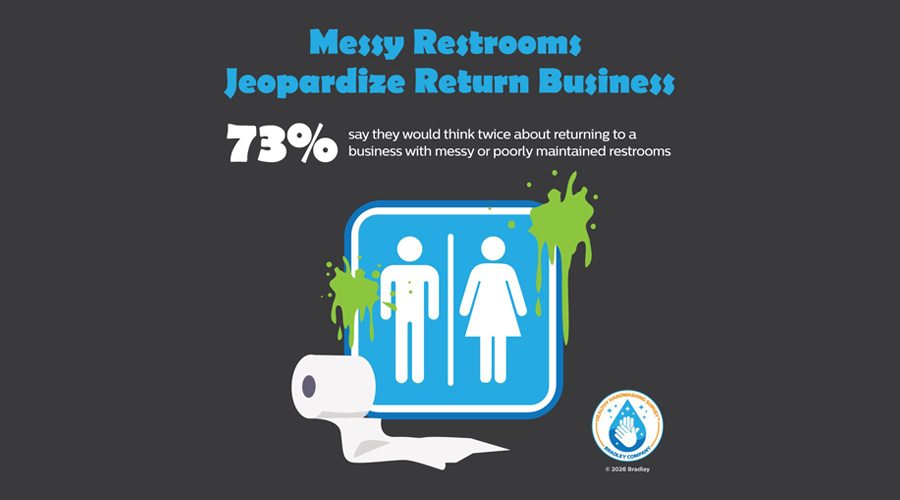 Global Handwashing Day and the Importance of Well-Maintained Restrooms
 Duke Health and CaroMont Health Partner to Develop Two New Hospitals
 Designing for the Psychology of Waiting
 UT Health Sciences Breaks Ground on College of Medicine Interdisciplinary Building