
Conducting architecture design research activities like interviews, contextual inquiries and usability tests is a key component of user experience and service design. But healthcare and clinical research spaces pose particular challenges for designers, and the outbreak of COVID-19 has only made matters more challenging. Designers need to be able to gather enough information about users, their context, and what they need to do. These unique circumstances in the healthcare space offer special opportunities that design practitioners can harness. Built In offers four strategies designers of healthcare facilities can adopt to get the job done in the COVID-19 era.
For example, forget about the lab. The chances of getting participants will greatly increase by conducting a virtual session, sharing a link to a prototype, and having participants share their screen. In many cases, you won’t be able to record a session because users might worry about exposing sensitive data. Or you might need special authorization from a review board to do so, which could take longer than your roadmap allows. So consider having additional note takers to collect as much information as possible.
Click here to read the article.
 Elevating EVS Professionals: The Case for Certified Hygiene Specialists
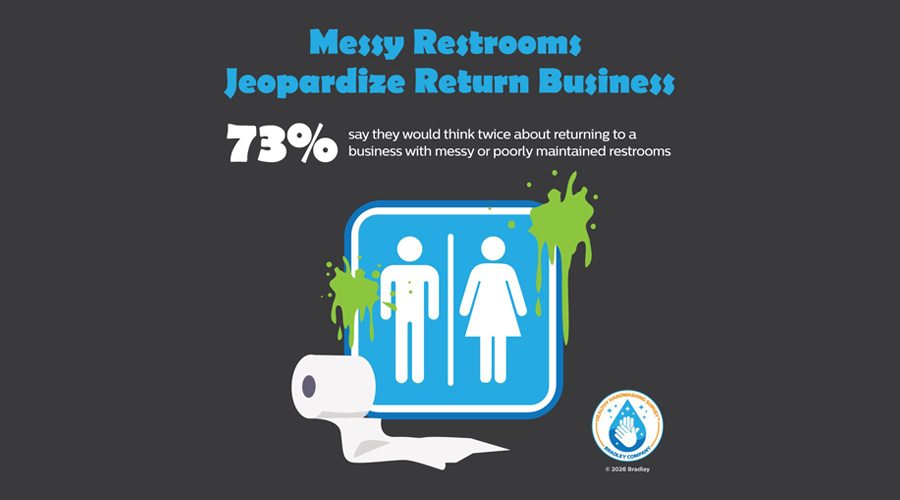 Global Handwashing Day and the Importance of Well-Maintained Restrooms
 Duke Health and CaroMont Health Partner to Develop Two New Hospitals
 Designing for the Psychology of Waiting
 UT Health Sciences Breaks Ground on College of Medicine Interdisciplinary Building