
An engineering initiative to better control patient room temperatures at the University of Texas MD Anderson Cancer Center, Houston, has cut energy costs while also improving patient satisfaction scores, according to an article on the Health Facilities Management website.
The hospital originally launched a retrocommissioning of the HVAC system to improve patient satisfaction scores related to patient comfort and room temperatures. The scores had peaked at about 82 (100 being the highest).
The project revealed broken or poorly functioning fans, dampers, thermostats and more. The project ALSO involved installing self-controlled digital thermostats in each patient room
Patient satisfaction scores increase about 10 points in a short time, and the hospital has experienced energy savings of about $700,000 annually.
 Putting Trauma-Informed Design into Practice
 Harris Health to Build New Freestanding Cancer Center
 Inland Empire Health Plan Opens Expanded San Bernardino Community Wellness Center
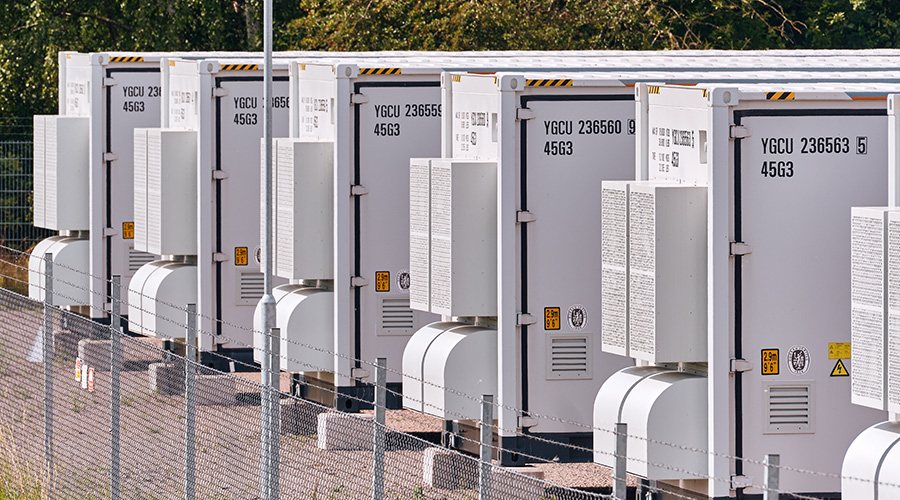 Energy Security: Benefits of Hospital Microgrids
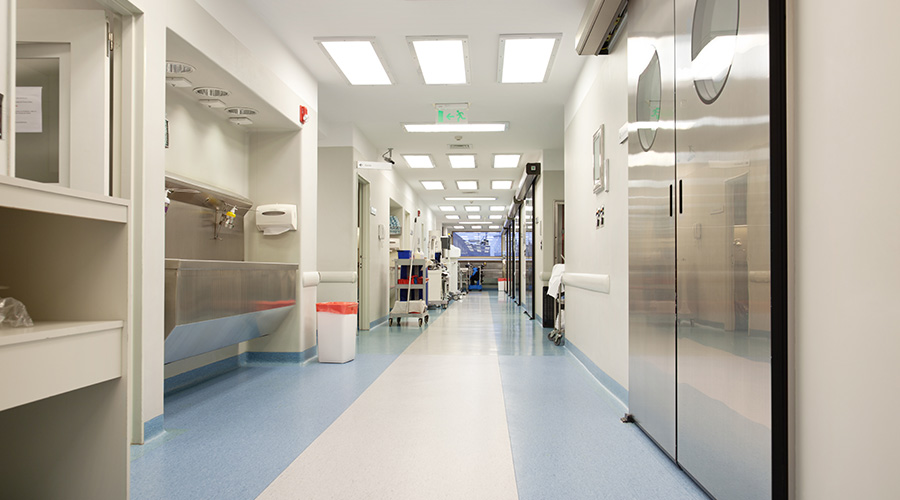 UT MD Anderson to Expand Texas Medical Center Via Two New Facilities