
While not usually talked about, aesthetics and atmosphere in a healthcare facility help set the tone for a patient’s visit. Lighting happens to play a major role in both, as the colors and temperature of lighting can heavily impact the appearance and feel of the facility. In this manufacturer roundtable, Healthcare Facilities Today speaks with lighting manufacturers about how lighting can be used for aesthetical and atmospheric purposes in healthcare facilities.
How can lighting be used for aesthetical and atmospheric purposes in healthcare facilities?
“LED lights can be adjusted in real-time to create the perfect visual environment. By changing the light's CCT and overall levels, users can find the right balance for their preferences and well-being. Additionally, the lights can be scheduled to match the natural day-night cycle, which is especially helpful in areas with limited natural light.”
— Ron Farmer, chief executive officer, US LED
“There’s no question that lighting plays a pivotal role in the advancement of healthcare aesthetics. At a basic level, lighting allows for the ability to provide color temperature and lumen output variants which can dramatically influence a facilities environment. Soft, warm color temperatures help to calm and relax patients during stressful situations while brighter, higher color temperatures tend to provide an atmosphere better suited for patients looking for additional energy required during vigorous recovery activities.”
— Rob Schmitz, marketing director, Toggled
“Lighting plays a crucial role in creating aesthetically pleasing and atmospherically conducive environments within healthcare facilities. Historically, significant emphasis has been placed on the first impression areas—such as large atriums and entrances—to ensure they are welcoming and visually appealing. These spaces often incorporate hospitality-like fixtures and beautiful lighting designs, effectively setting a positive tone for patients and visitors as they enter the facility.
However, this attention to aesthetics has not always been consistently extended to patient care areas, including patient rooms, nursing stations, and staff relaxation spaces. While the public-facing areas exude a sense of comfort and elegance, the same level of hospitality and thoughtful lighting design often remains absent in the spaces where patients spend most of their time. This disparity can impact the overall patient experience.
It's essential for lighting practitioners and designers in the healthcare industry to advocate for and allocate appropriate budgets dedicated to creating lighting solutions that are not only functional and cleanable but also visually soothing and non-institutional.
By integrating aesthetically pleasing lighting into patient care spaces, healthcare facilities can foster a more comfortable and healing environment. This approach not only enhances the visual appeal of the spaces but also supports the well-being of patients, staff and visitors, ultimately contributing to a more holistic and effective healthcare experience.”
— Tommy Nichols, LC, business development director for healthcare, Acuity Brands
Jeff Wardon, Jr., is the assistant editor for the facilities market.
 Elevating EVS Professionals: The Case for Certified Hygiene Specialists
 Global Handwashing Day and the Importance of Well-Maintained Restrooms
 Duke Health and CaroMont Health Partner to Develop Two New Hospitals
 Designing for the Psychology of Waiting
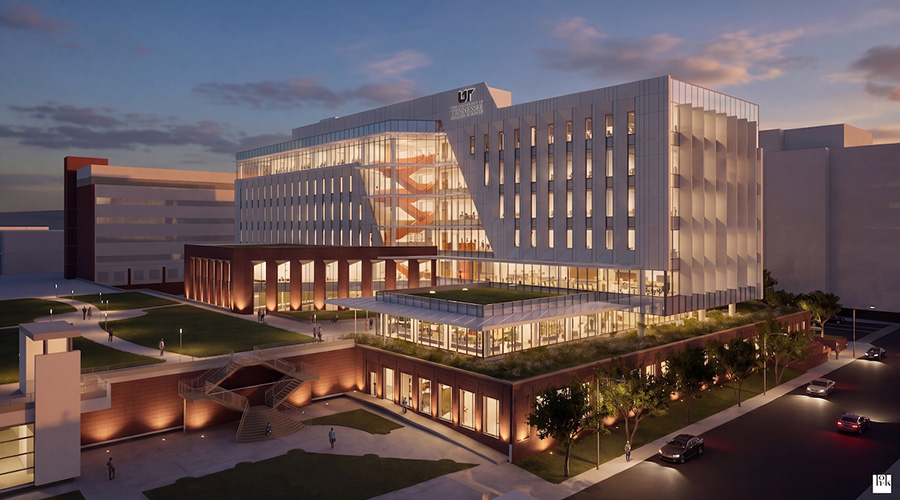 UT Health Sciences Breaks Ground on College of Medicine Interdisciplinary Building