
To eliminate pathogens from high-touch surfaces, hospitals can incorporate UV disinfection technology into their cleaning routines, according to an article on the Becker's Leadership and Infection Control website,
Insufficient cleaning of high-touch surfaces can contribute to infection rates. It is estimated that 20-40% of HAIs result from transmission of pathogens by a healthcare worker after touching another patient or a contaminated surface, the article said.
No-touch disinfection technologies should not replace manual cleaning and disinfection processes. However, adjunct technologies, such as UV-C disinfection machines, can become a critical part of how healthcare settings control HAIs.
When deciding to incorporate UV technology into cleaning routines, hospital executives can examine numerous published studies providing understanding of what makes a UV-C disinfection program an effective business move, how UV-C disinfection technology works, what questions to ask when considering UV-C and how to effectively operate UV-C devices.
 Cyberattack Results in Patient Reroutes at Anne Arundel Medical Center
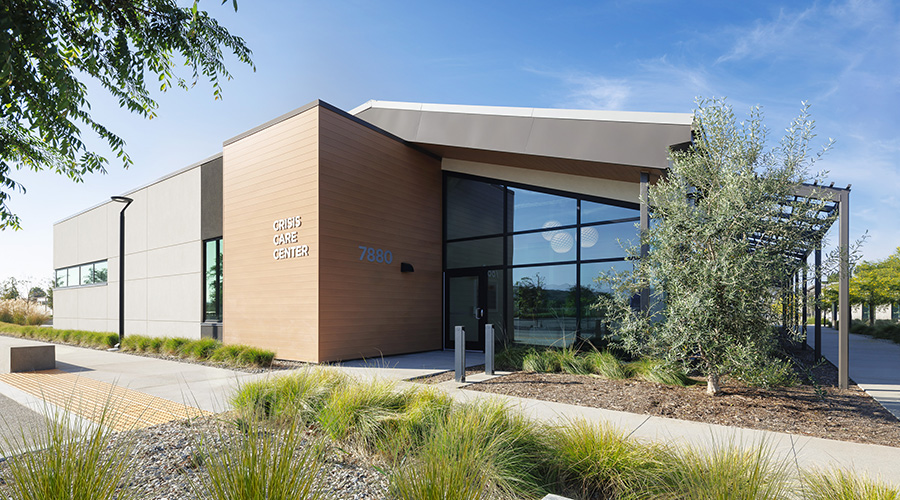 Tangram Furnishes Be Well OC Irvine Behavioral Health Campus
 Suntree Internal Medicine Reports Data Breach
 Why Healthcare Facilities Management Is Critical to Patient Safety
  Sanford Health and North Memorial Health Finalize Partnership