
Panic hardware is a popular exit device used to provide quick egress for healthcare facilities occupants in a state of emergency, according to an article on the Campus Safety website.
However, it's sometimes difficult to determine when panic hardware is actually required by the Life Safety Code (NFPA 101) and the International Building Code (IBC).
For instance, current codes require panic hardware to be mounted between 34 inches and 48 inches above the floor (existing panic hardware may have been installed in accordance with previous code requirements).
Some codes and standards require panic hardware to operate with a maximum of 15 pounds of force, while other codes and standards limit the operable force for hardware to five pounds. A special UL listing indicates panic hardware that is certified to operate with five pounds of force or less.
 Elevating EVS Professionals: The Case for Certified Hygiene Specialists
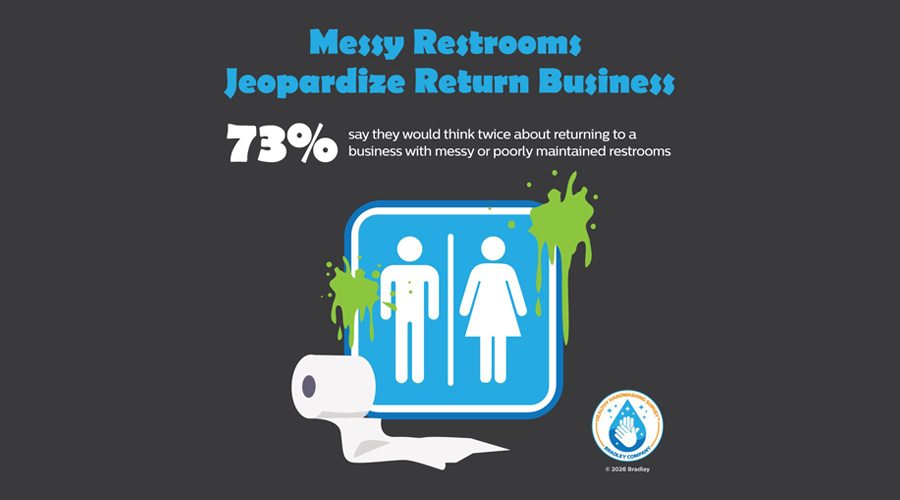 Global Handwashing Day and the Importance of Well-Maintained Restrooms
 Duke Health and CaroMont Health Partner to Develop Two New Hospitals
 Designing for the Psychology of Waiting
 UT Health Sciences Breaks Ground on College of Medicine Interdisciplinary Building