Value-driven approach sets priorities in cancer-care design
A value tree map helps organize requests according to basic, target, and aspirational goals, according to an article on the Healthcare Design website
When budget restrictions and providers’ competing priorities make it impossible to say yes to all of the design ideas gathered by an interior designer's research, a value tree map can be used to determine what are “must-have,” “nice-to-have,” and “can-you-imagine-if-we-had” amenities when creating a cancer-care environment, according to an article on the Healthcare Design website.

 What Managers Miss in Small and Mid-Sized Cooling Units
 Preparing Healthcare Facilities for Cockroach Risks
 The Medical College of Wisconsin Breaks Ground on Student Housing Complex
 A Shift in Healthcare Facilities Management
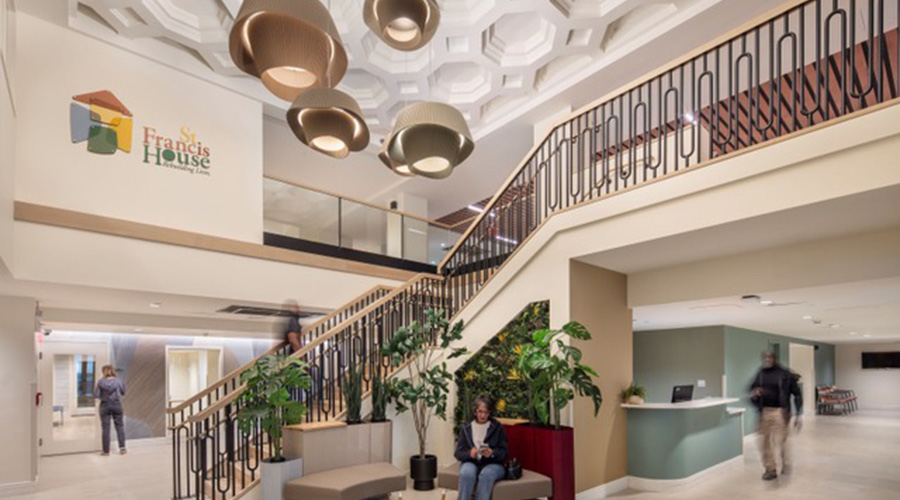 Trauma-Informed Design Transforms Boston Homeless Shelter