
The long-term care market is experiencing a boom in new construction and significant renovation of existing facilities. This opens the opportunity for revamping access-control systems with wireless technologies that have particular benefits which go far beyond what physical keys can do, according to an article in Long-Term Living.
Replacing a physical key system with proximity card-based system benefits individuals who have a hard time turning a key in a lock or might easily loose the key. In addition, each individual on such systems can have tailored credentials, which makes limiting access to areas like the pool that much easier. Electronic access controls also create an audit trail, which can protect staff against unfounded accusations of theft, says the article.
Another application of wireless technology is resident safety. Wearable badges or wristbands can be programmed to set off silent alerts if a person approaches a space they're not supposed to be in. This provides additional safety without being intrusive or oppressive. Staff safety is also augmented through wireless paging systems that send silent alerts. These can be used for staff to call for help if there is an incident in progress, such as a resident becoming violent, without having to use an overhead paging system.
Read the article.
 Emergency Preparedness: Building a Stronger Community
 Ground Broken on Lavine Bekenstein Cancer Hospital in Massachusetts
 Camden-on-Gauley Medical Center Reports Data Security Incident
 Elevating EVS Professionals: The Case for Certified Hygiene Specialists
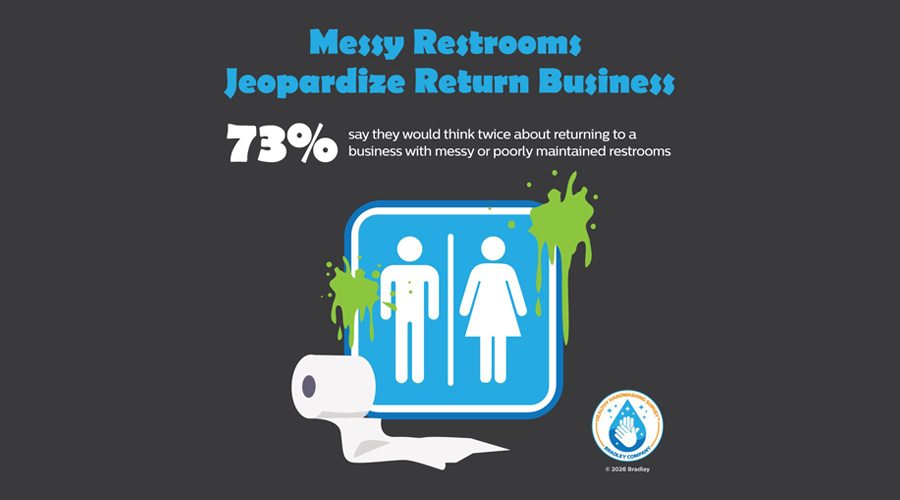 Global Handwashing Day and the Importance of Well-Maintained Restrooms